



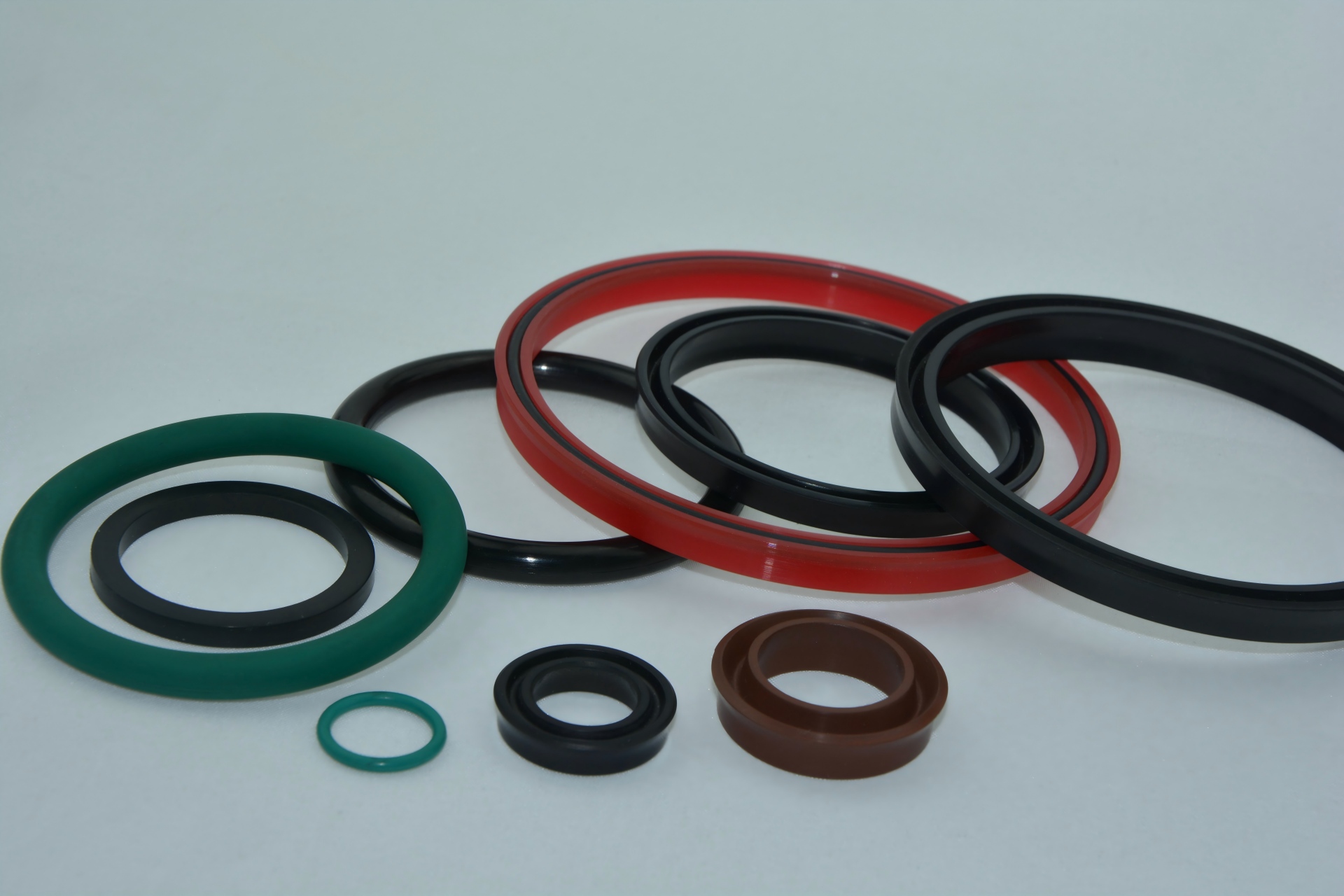
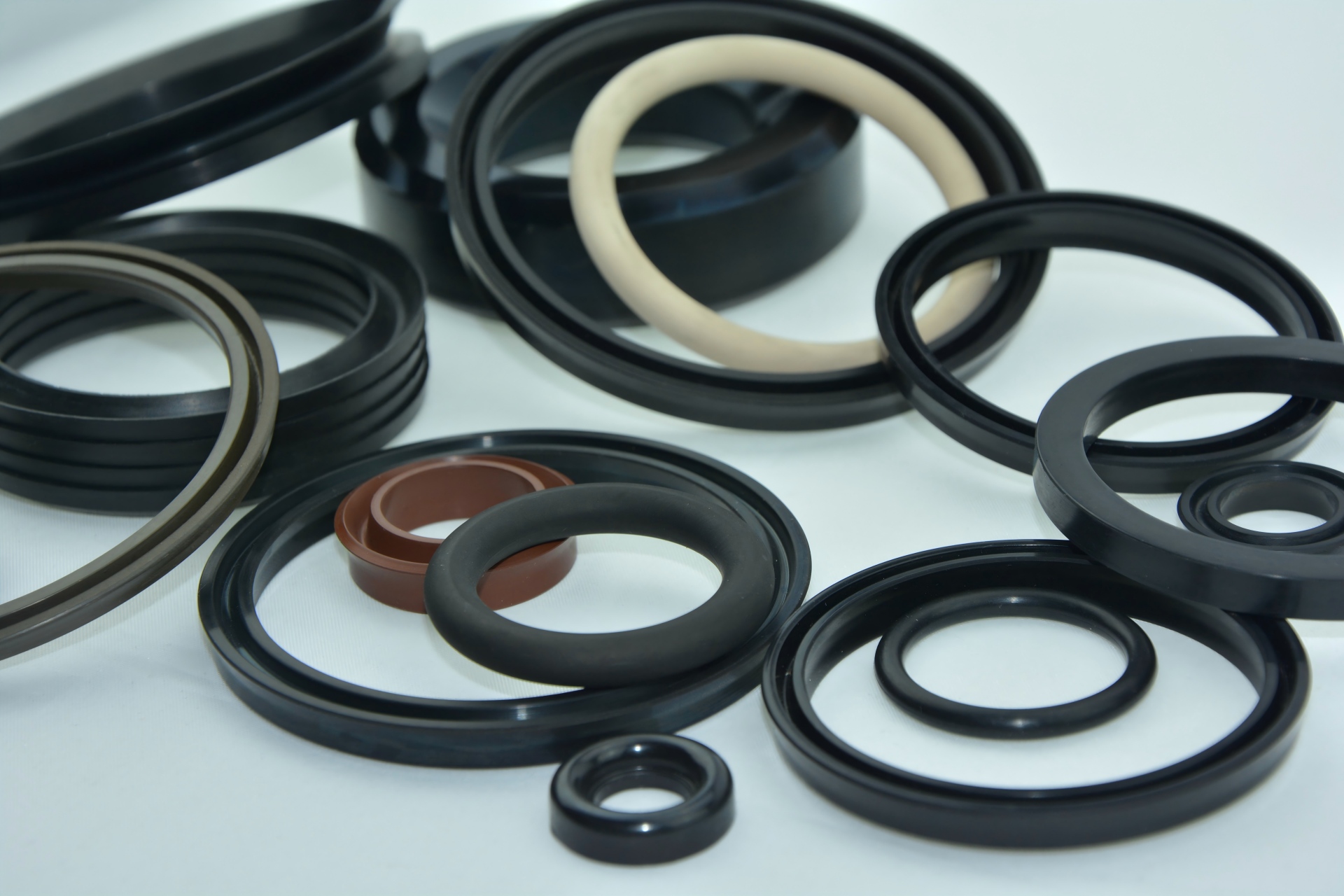
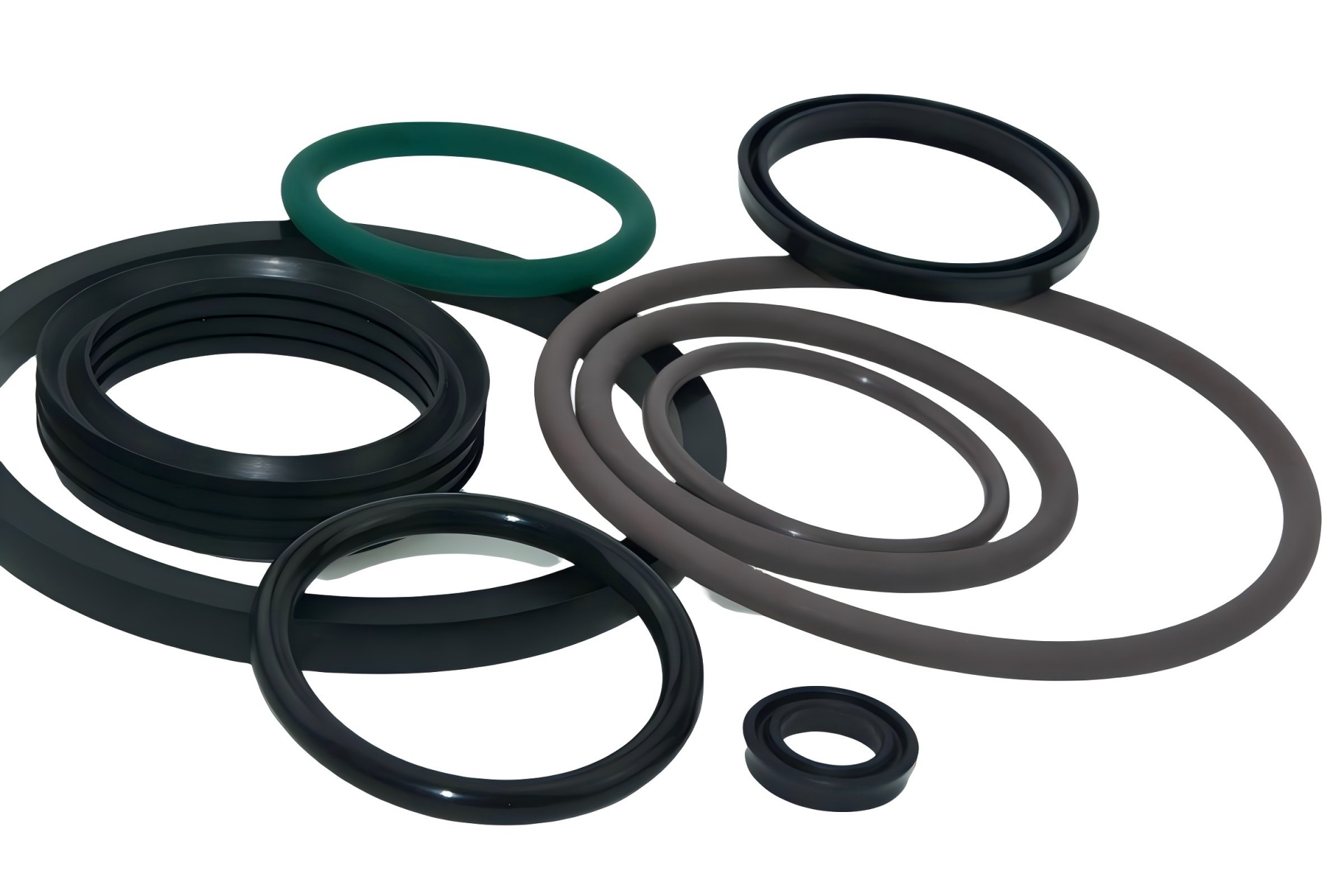
Fluororubber (FKM), commonly known as FPM, is a synthetic polymer elastomer containing fluorine atoms in the main chain or side chains of carbon atoms. The high bond energy carbon-fluorine bond in its molecular structure endows the material with excellent high temperature resistance, chemical corrosion resistance, and oil resistance, making it an indispensable special sealing material in the industrial field.
Fluororubber exhibits excellent high-temperature resistance, with its standard operating temperature range typically falling between -20℃ and 250℃. It can maintain its basic properties even after short-term exposure to 300℃. Certain specially modified low-temperature grades can withstand temperatures as low as -40℃. In terms of medium resistance, fluororubber performs exceptionally well: it exhibits excellent resistance to swelling and corrosion against almost all mineral oils, synthetic oils, fuels, hydraulic oils, lubricating oils, as well as aliphatic and aromatic solvents. Additionally, it boasts excellent aging resistance, ozone resistance, weathering resistance, as well as extremely low air permeability (especially in vacuum environments), superior flame retardancy, and resistance to compression set.However, fluororubber also has its obvious chemical limitations: it is not resistant to low molecular weight ketones (such as acetone), esters (such as ethyl acetate), ethers (such as diethyl ether), and amines, which are polar solvents; its low temperature resistance is slightly inferior to that of silicone rubber (VMQ), and the material cost is usually higher.
FKM seals, namely sealing rings made of fluororubber (FKM/FPM), play an irreplaceable role in various industries with harsh working conditions due to their unique three characteristics: high temperature resistance, strong corrosion resistance, and oil resistance.
Automotive manufacturing: In the automotive industry, FKM seals are widely used in engine fuel systems, turbocharger connections, valve stem seals, transmission oil circuits, and air conditioning system refrigerant circuits. Their excellent resistance to high-temperature fuel, lubricating oil, and refrigerant effectively prevents leakage, ensuring the safety and efficiency of vehicles under complex operating conditions such as high temperature and high pressure.
Petrochemical industry: In the field of petroleum, natural gas, and chemical processing, FKM seals are key sealing components at the joints of pipelines, valves, reactors, pumps, and instruments. They can resist the erosion of crude oil, various organic solvents, and corrosive chemical media, ensuring the tightness of the production process, preventing the leakage of dangerous goods, and significantly improving the safety and reliability of factories.
Aerospace: In the aerospace industry, FKM seals are utilized in critical sealing areas of aircraft engines, fuel systems, hydraulic systems, and oxygen systems due to their reliable resistance to high-temperature fuels (such as aviation kerosene) and hydraulic oils (such as phosphate ester-based hydraulic oils), as well as their excellent vacuum performance. This ensures the absolute safety of aircraft under extreme temperature and pressure variations.
Semiconductor and Electronic Appliances: In semiconductor manufacturing and precision electronic equipment, FKM seals are used for cavity sealing in process equipment such as plasma etching and chemical vapor deposition. They can resist the erosion of plasma and strong corrosive process gases (such as chlorine and fluorides), and maintain extremely low metal ion release, making them one of the key materials to ensure high wafer yield. In addition, they are also used in connectors and other protective seals that require high temperature and chemical resistance.
Food and Pharmaceuticals: In food processing and pharmaceutical equipment, specialized FKM seals that comply with FDA (Food and Drug Administration) or USP Class VI (the highest level of biocompatibility in the United States Pharmacopeia) certification are used. These seals are installed on pipelines, pumps, and valves of equipment such as filling machines, homogenizers, and sterilization cabinets, and are capable of withstanding repeated high-temperature steam sterilization (CIP/SIP online cleaning/sterilization) as well as contact with oils, fats, and drug components, ensuring hygiene and safety during the production process.
In summary, fluororubber materials and their FKM seals, with their excellent properties of "high temperature resistance and strong medium resistance", have become the preferred solution for addressing demanding sealing challenges in various industrial fields such as automotive, petrochemical, aerospace, and semiconductor, providing a solid guarantee for the reliable operation of modern high-tech industries.
Comments are closed