



Silicone rubber, whose full name is methyl vinyl silicone rubber (VMQ), is a special synthetic rubber with a silicon-oxygen bond as its main chain. Its unique molecular structure endows it with excellent heat resistance and cold resistance, as well as outstanding chemical stability and physiological inertness.
VMQ boasts an exceptionally wide operating temperature range, with a standard usage temperature of -60℃ to 225℃, maintaining excellent elasticity and flexibility over an extended period within this range. Specially formulated silicone rubber can even withstand high temperatures of 300℃ or extreme low temperatures of -100℃. In terms of electrical properties, VMQ is an excellent electrical insulating material. Its electrical properties are minimally affected by changes in temperature, frequency, and humidity, with a volume resistivity greater than 1014Ω·cm and a breakdown voltage strength exceeding 30kV/mm.
In terms of chemical compatibility, VMQ performs well with most oils, chemical reagents, and solvents, but it is not resistant to alkanes and aromatic oils. Furthermore, the material itself exhibits excellent radiation resistance, flame retardancy, waterproofing, mold resistance, and thermal conductivity. Notably, its superior aging resistance stands out, including resistance to ozone aging, thermal aging, ultraviolet light aging, and long-term atmospheric aging. Additionally, VMQ has excellent biocompatibility and does not cause a coagulation reaction, making it widely used in the medical field.
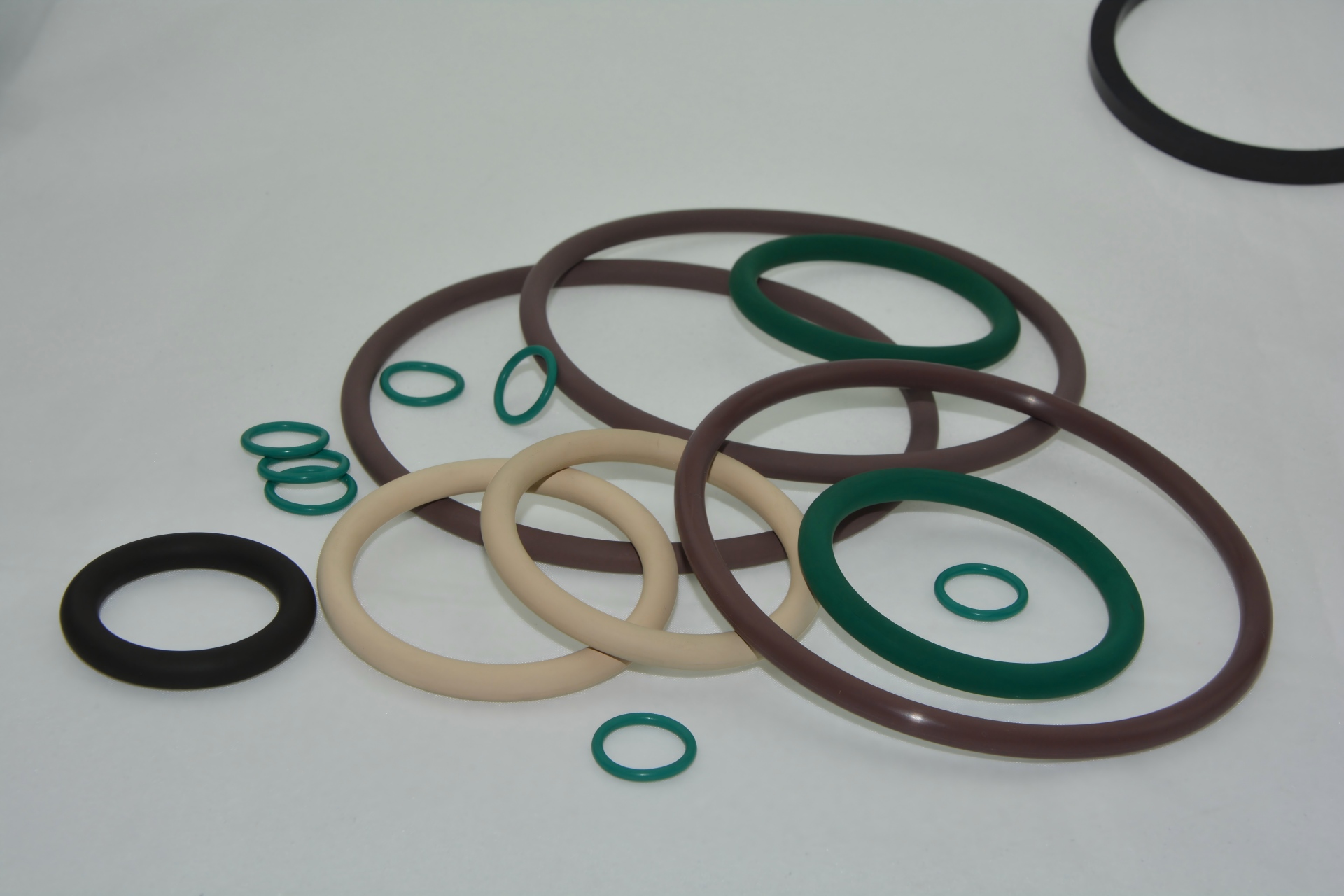
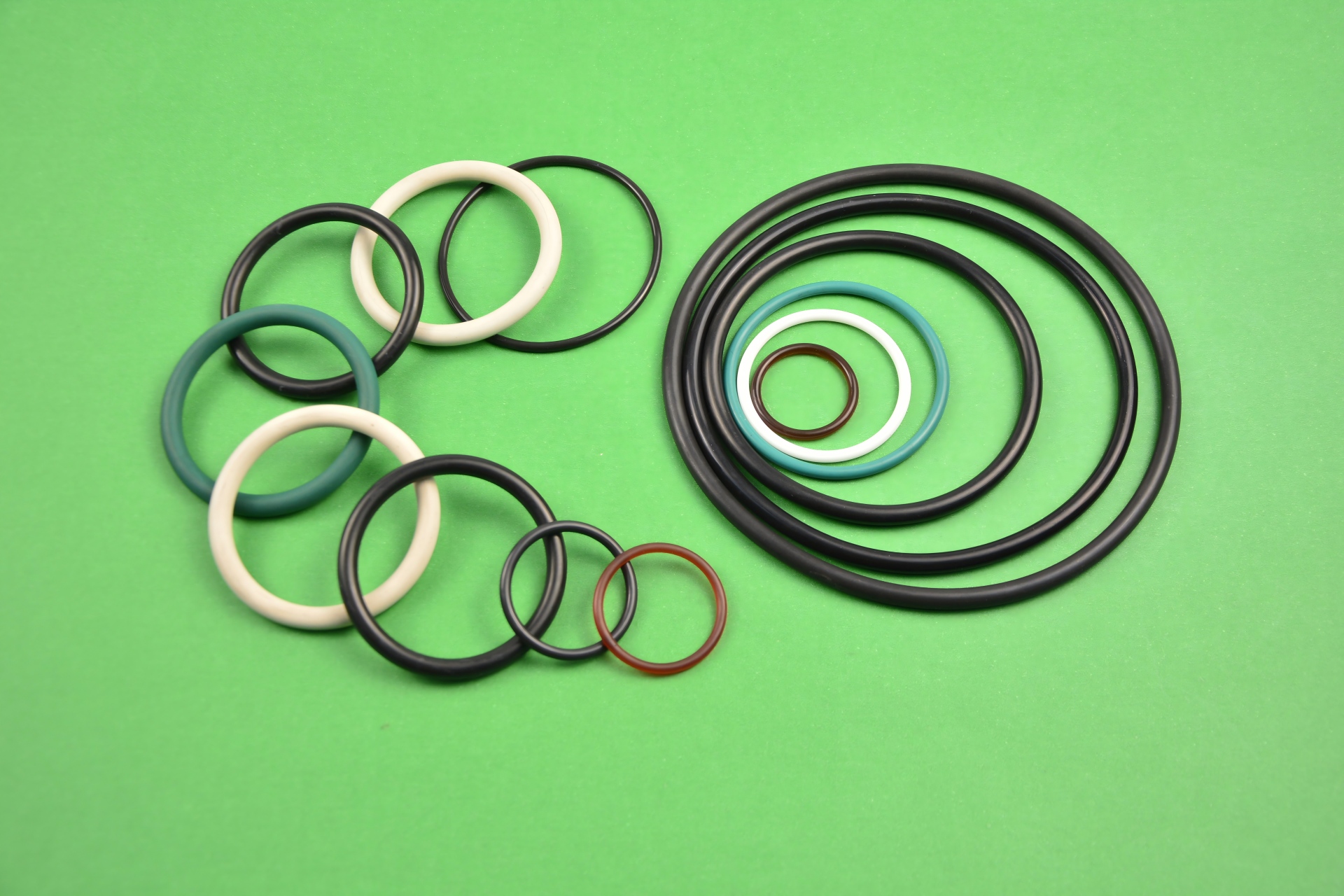
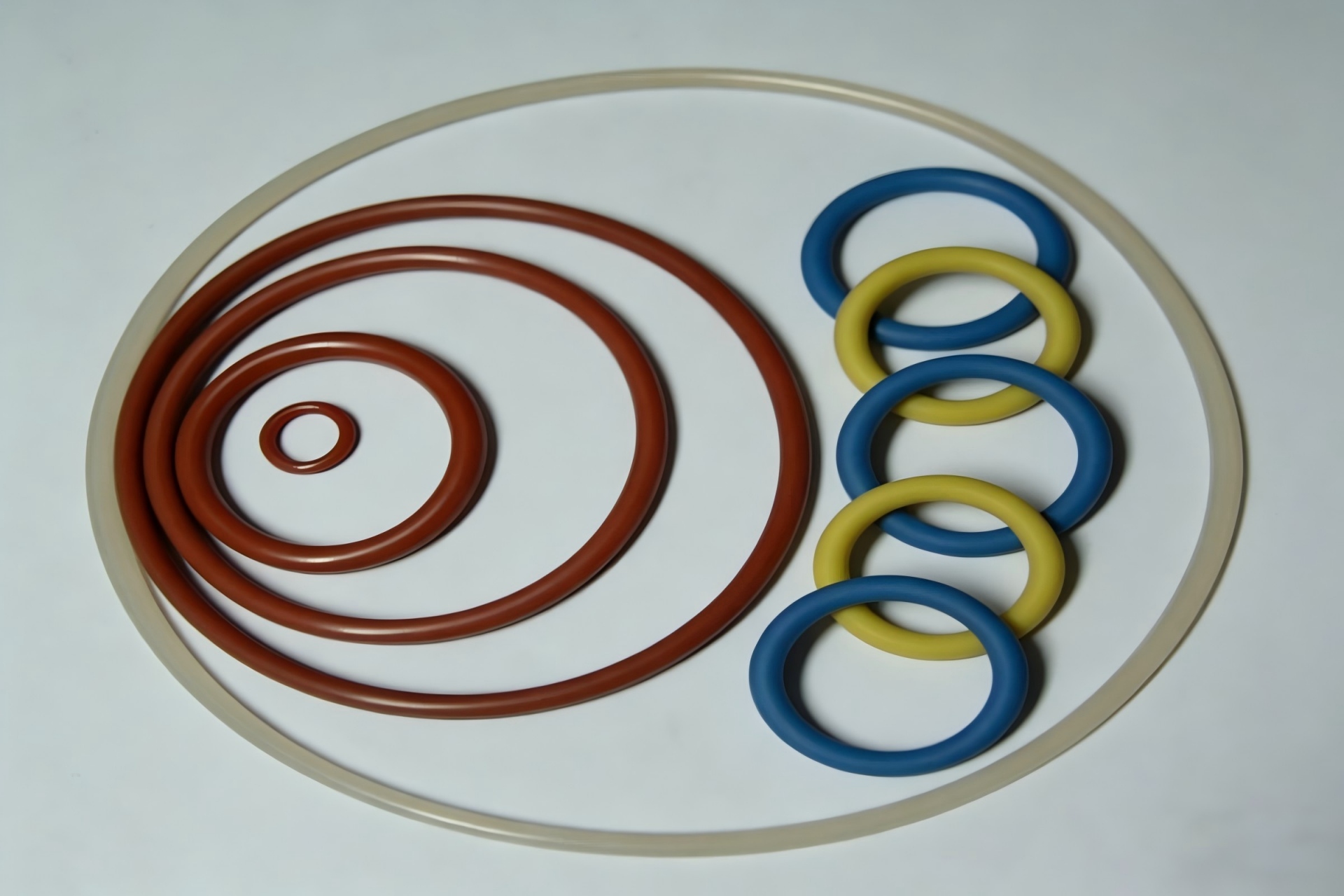
VMQ seals, which are sealing rings made from methyl vinyl silicone rubber as the base material, play a crucial role in numerous industries due to their comprehensive properties such as wide temperature adaptability, insulation, non-toxicity, and aging resistance.
Automotive manufacturing: In automotive engine, chassis, transmission, and body parts, VMQ seals are used to prevent the leakage of oil, coolant, and gas. Their excellent high-temperature resistance and chemical corrosion resistance enable them to cope with complex engine compartment environments and ensure precise coordination of mechanical components.
Electronics and electrical appliances: In this field, VMQ sealing rings are primarily used as protective barriers for circuit boards, batteries, and precision components, preventing dust and moisture from infiltrating. Additionally, they offer insulation, thermal conductivity, and waterproofing, significantly enhancing the stability and reliability of electronic devices.
Medical devices: Leveraging the excellent biocompatibility and chemical stability of silicone rubber, VMQ sealing rings are widely used in medical equipment such as infusion sets, syringes, and hemodialysis machines, ensuring safety and reliability under physiological contact.
Food industry: In equipment such as food filling machines, sealing machines, and packaging machines, VMQ sealing rings, due to their non-toxic and high/low temperature resistance properties, can come into direct or indirect contact with food, ensuring hygiene and safety during the processing process.
In the construction industry, VMQ sealing rings are utilized in building pipelines, doors, windows, and curtain wall systems due to silicone rubber's excellent weather resistance and UV resistance, ensuring the airtightness and water tightness of buildings and prolonging the sealing life.
Aerospace: In the aerospace industry, VMQ seals are utilized in critical areas such as cabin sealing, thermal insulation systems, and shock-absorbing components of aircraft and spacecraft due to their ability to withstand extreme temperature fluctuations.
In addition, VMQ seals have also widely penetrated into numerous manufacturing industries such as machinery, molds, injection molding, hardware, magnetic materials, precision stamping, connectors, home appliances, computers, LCD TVs, printed circuit boards, and more.
In summary, silicone rubber materials and VMQ seals made from them have become a fundamental and indispensable sealing solution in modern industry, thanks to their unique wide temperature adaptability, electrical insulation, physiological inertness, and aging resistance.
Comments are closed