



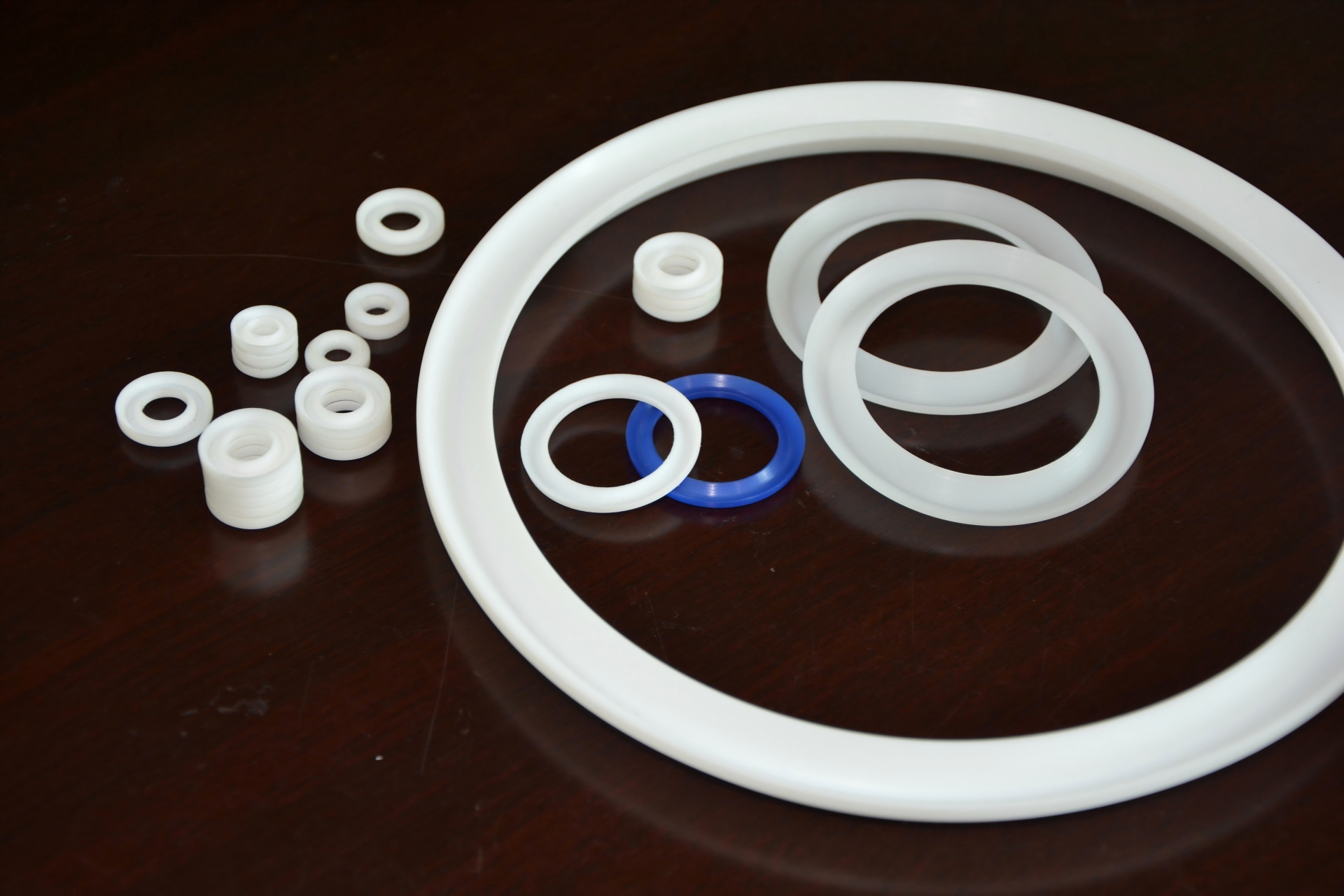
High Density Polyethylene (HDPE) is an important thermoplastic polymer. Since its introduction in 1956, its applications have expanded continuously with technological advances. As a linear polyethylene primarily formed by the addition polymerization of ethylene monomers, HDPE exhibits excellent physical and chemical properties.
HDPE has a relatively high molecular weight, typically ranging from 200,000 to 500,000, which grants it high strength, high toughness, and good wear resistance. Its tensile strength and impact resistance outperform those of Low-Density Polyethylene (LDPE) and Linear Low-Density Polyethylene (LLDPE), making it ideal for applications requiring high strength and durability. HDPE also offers outstanding chemical corrosion resistance, capable of withstanding attack by most acids, alkalis, salts, and organic solvents. This property makes it widely used in the manufacturing of chemical containers, pipelines, and storage tanks.
HDPE has a relatively high melting point, generally between 120°C and 140°C, with good thermal stability that allows it to maintain its physical properties at elevated temperatures. Meanwhile, it features excellent low-temperature performance, retaining its toughness at -40°C. Additionally, HDPE possesses good electrical insulation properties, with a high dielectric constant and volume resistivity, making it widely used in the production of cable sheaths and electrical insulating materials.
There are various production methods for HDPE, including high-pressure, low-pressure, solution polymerization, and gas-phase processes. Among these, the low-pressure method is the mainstream technology for current HDPE production, offering advantages such as low energy consumption, mild reaction conditions, and high product purity.
HDPE sealing rings, as an important application form of HDPE material, play a vital role in various industries due to their excellent performance.
Packaging Industry
HDPE sealing rings are widely used in food packaging, liquid containers, and chemical packaging. Their high transparency and good sealing performance ensure product safety and extend shelf life. For example, in the packaging of milk, juice, and detergents, HDPE sealing rings not only prevent leakage but also ensure product hygiene and freshness.
Construction Industry
HDPE sealing rings play an important role in water supply and drainage systems, natural gas transportation, and cable protection conduits. With HDPE’s corrosion resistance, pressure resistance, and long service life, these sealing rings perform exceptionally well in pipe connections, effectively preventing leaks and damage.
Agricultural Sector
In agriculture and horticulture, HDPE sealing rings are used for greenhouse covers, mulch films, irrigation pipelines, and horticultural container seals. Their durability and weather resistance improve agricultural productivity and reduce waste of pesticides and water resources.
Automotive Industry
HDPE sealing rings are also widely used in automotive manufacturing, primarily for sealing interior and exterior components. HDPE’s lightweight properties help reduce overall vehicle weight, improve fuel efficiency, and lower emissions. Meanwhile, its excellent impact resistance enhances vehicle safety.
Chemical Industry
In chemical containers, HDPE sealing rings are widely used due to their outstanding chemical corrosion resistance. They can withstand the attack of various chemical media, ensuring the safe and stable operation of chemical equipment.
In summary, High-Density Polyethylene (HDPE) is an important synthetic material with a wide range of applications and excellent physical and chemical properties. As one of its key application forms, HDPE sealing rings play a significant role in multiple industries including packaging, construction, agriculture, automotive, and chemicals.
Comments are closed