



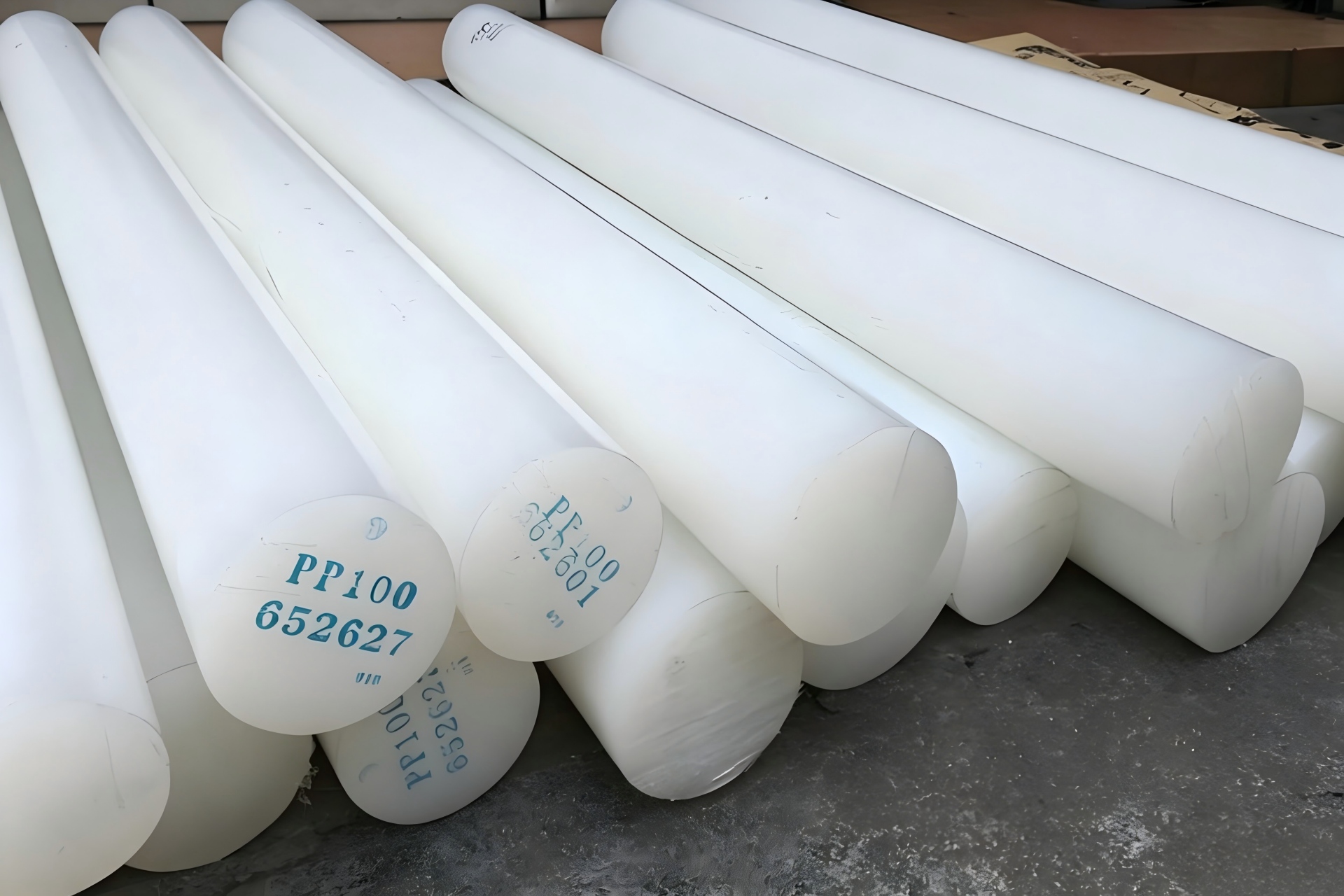
Polypropylene (PP) is a thermoplastic polymer material synthesized primarily from propylene monomers. It was first produced in 1951 by scientists Paul Hogan and Robert Banks at Phillips Petroleum Company. After further refinement and synthesis by Italian scientist Giulio Natta in 1954, polypropylene quickly found widespread applications in various fields due to its excellent physical and chemical properties.
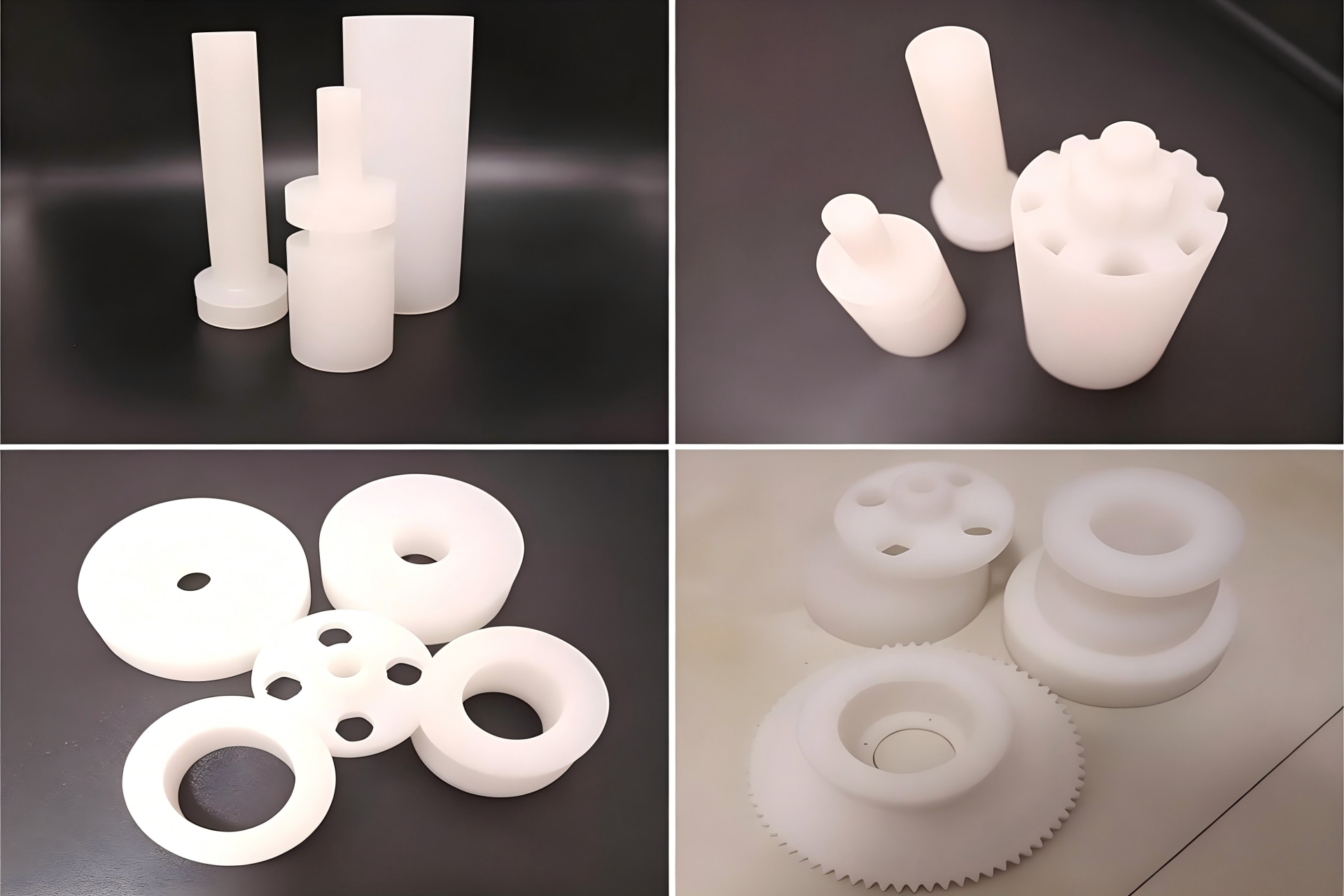
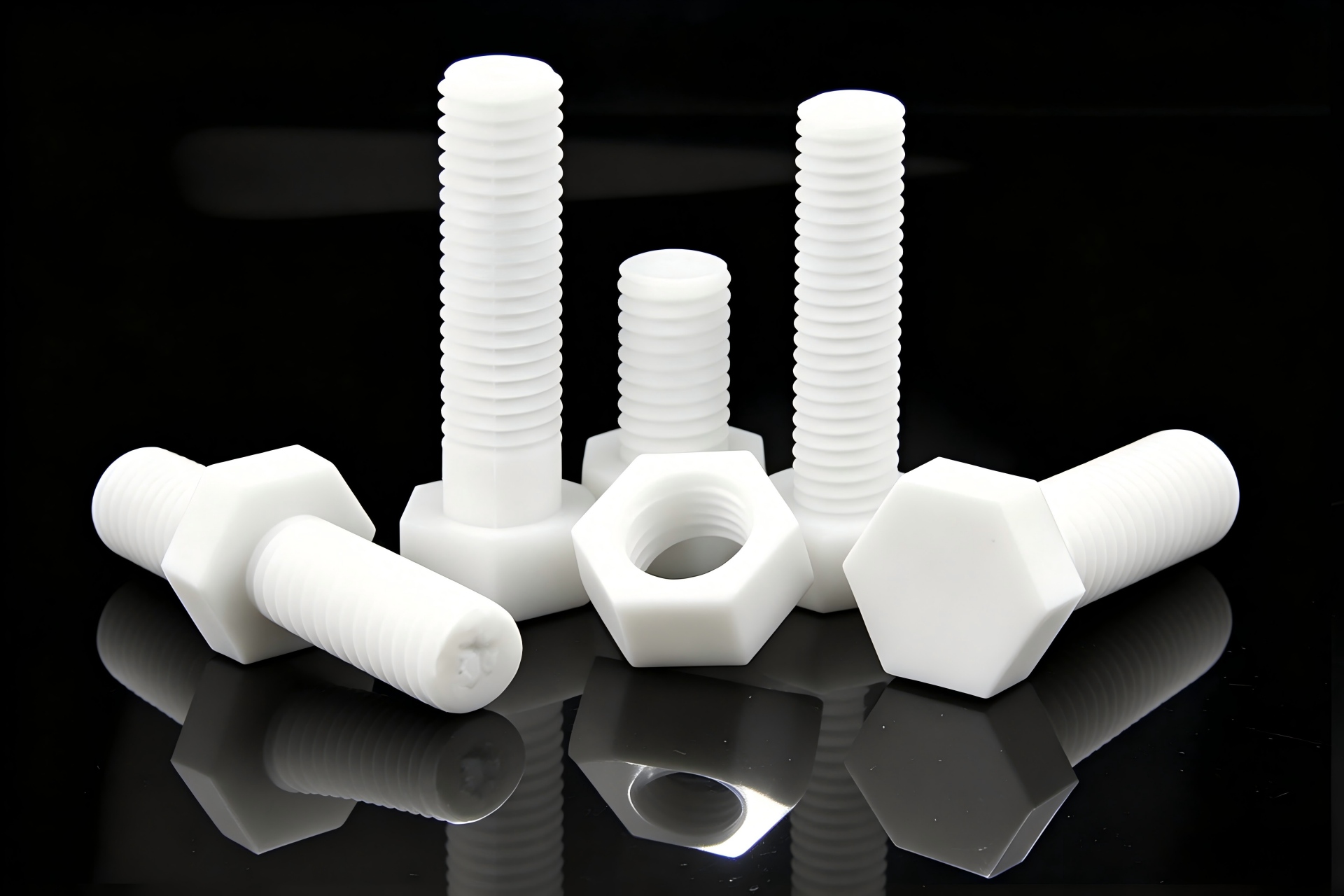
Polypropylene has a low density, typically ranging from 0.89 g/cm³ to 0.92 g/cm³, making it one of the lightest commercial plastics. Its melting point usually falls between 125°C and 175°C, offering excellent processability, and can be formed via methods such as injection molding and CNC machining. Polypropylene has a smooth surface, is easy to process into various shapes, and exhibits good chemical resistance, as dilute acids and alkalis do not react with it. In addition, polypropylene features high elasticity, impact resistance, fatigue resistance, and electrical insulation, making it the preferred material for many industries.
Polypropylene sealing rings are widely used in multiple industries due to their excellent properties such as light weight, chemical resistance, good insulation, and high impact strength:
Chemical Industry
Polypropylene sealing rings play a key sealing role in chemical equipment. Their chemical resistance allows them to operate stably for long periods in various corrosive environments.
Power Industry
In power facilities, polypropylene sealing rings are used for sealing electrical equipment. Their excellent insulation properties ensure the safe operation of power facilities.
Metallurgical and Petroleum Industry
Equipment in these industries often operates in high-temperature, high-pressure, and corrosive environments. With their high-temperature stability and chemical resistance, polypropylene sealing rings serve as important sealing elements for these devices.
Electronics Industry
In the manufacturing of electronic products, polypropylene sealing rings are used to protect circuit boards and electronic components, preventing the intrusion of dust and moisture and ensuring the stable operation of electronic devices.
Food and Pharmaceutical Industry
Polypropylene sealing rings play a key role in food and pharmaceutical equipment. Their non-toxic, odorless, and corrosion-resistant characteristics ensure the safe production of food and pharmaceuticals.
Automotive Industry
Polypropylene sealing rings are widely used in automotive manufacturing, such as sealing components of engines, transmissions, suspension systems, etc. Their light weight and impact resistance make them ideal materials for automotive parts manufacturing.
Construction and Building Materials Industry
Polypropylene sealing rings are used for sealing components such as pipes, thermal insulation materials, and floor materials in the construction industry. Their chemical resistance and UV resistance make them perform exceptionally well in outdoor applications.
Medical Devices
Polypropylene sealing rings are also used in medical device manufacturing, such as sealing medical syringes, test tubes, and other equipment. Their good biocompatibility ensures the safe use of medical devices.
Household Products
Polypropylene sealing rings are also used in the manufacturing of household products, such as chairs, trash cans, storage boxes, etc. Their low cost and good processability make polypropylene sealing rings widely used in these fields.
In conclusion, polypropylene sealing rings play an important role in multiple industries due to their excellent physical and chemical properties, providing strong support for the development of various industries.
Comments are closed