



Para Polyphenylene (PPL) is a new type of polymer material. Since its first successful synthesis in the United States in 1963, it has quickly attracted widespread international attention and research. Countries including the United Kingdom, the Soviet Union, Japan, Poland, Canada, France, West Germany, and Israel have conducted research and formally applied it in industrial production. In China, the R&D and production of para polyphenylene is undertaken by research institutes under the Ministry of Chemical Industry, and it has been widely used in various industries nationwide.
Para polyphenylene is a polymer linked by benzene rings, with many excellent properties. It has outstanding high-temperature resistance, starting to decompose at 520°C to 530°C, with no melting point, and can be used long-term below 400°C. This material also has excellent thermal stability and can be used to manufacture high-temperature bearing materials. In addition, para polyphenylene exhibits excellent corrosion resistance, as strong acids, strong alkalis, and various organic solvents cannot dissolve or corrode it.
In terms of electrical properties, the volume resistivity of para polyphenylene is as high as 10¹⁵ to 10¹⁷ Ω·cm, and under different polymerization conditions, it can become an organic semiconductor. Furthermore, para polyphenylene has good self-lubricating properties, significantly outperforming traditional materials such as molybdenum disulfide and graphite.
However, the molecular chains of para polyphenylene have high rigidity and regularity, giving it non-melting and non-dissolving characteristics, making its own processing and forming difficult. Therefore, para polyphenylene is usually blended with other materials, such as filling into polytetrafluoroethylene (PTFE), to improve its processability and comprehensive performance.
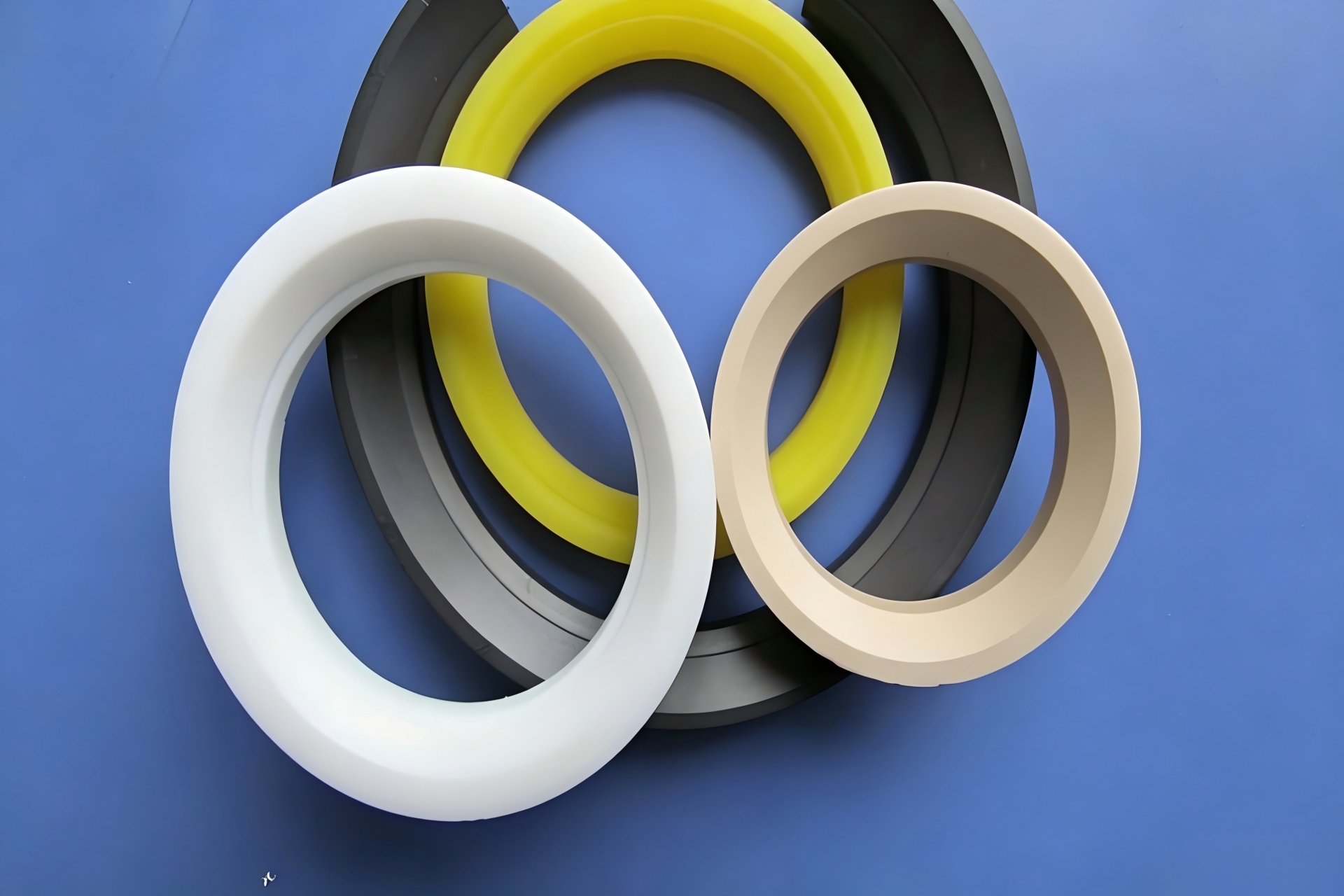
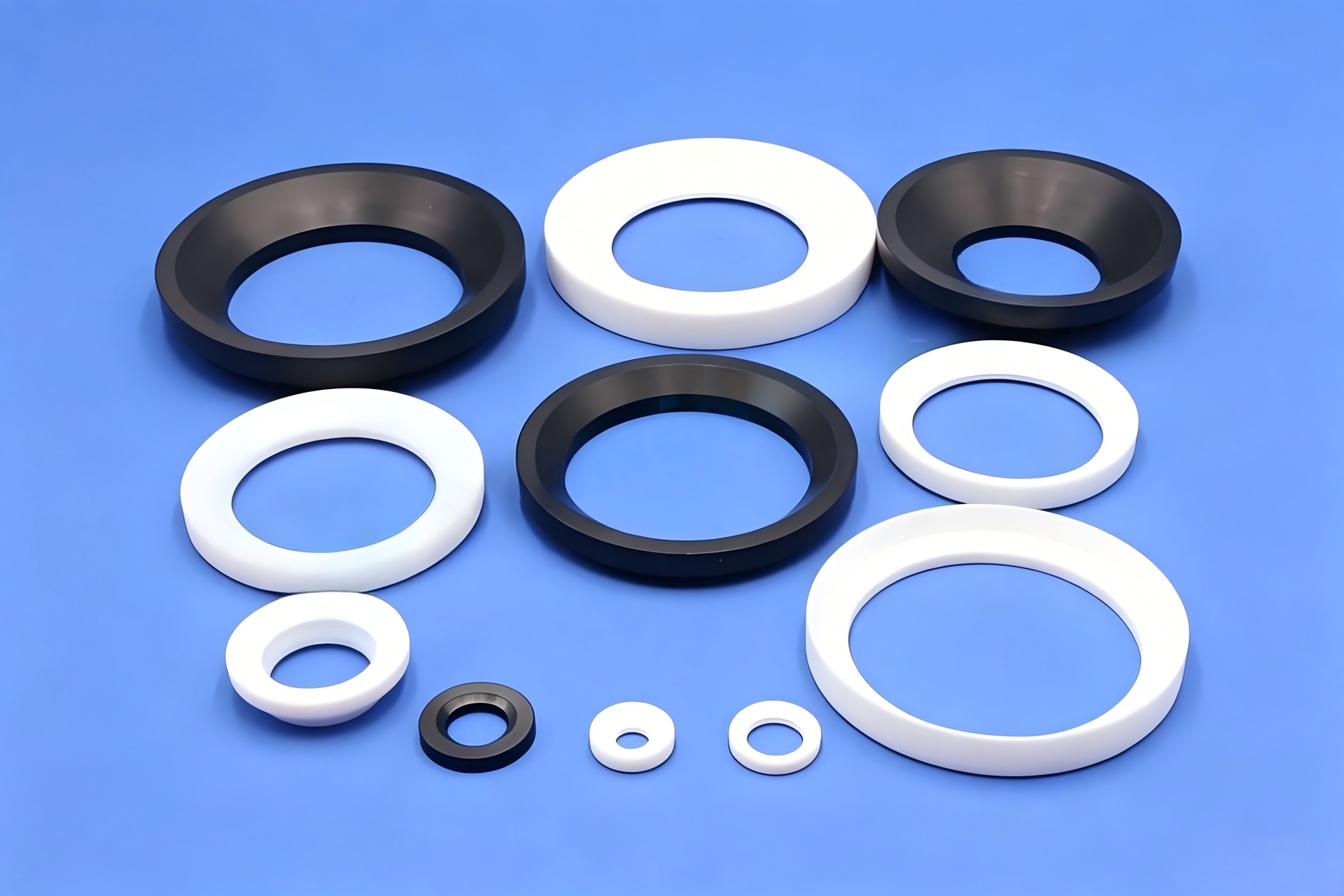
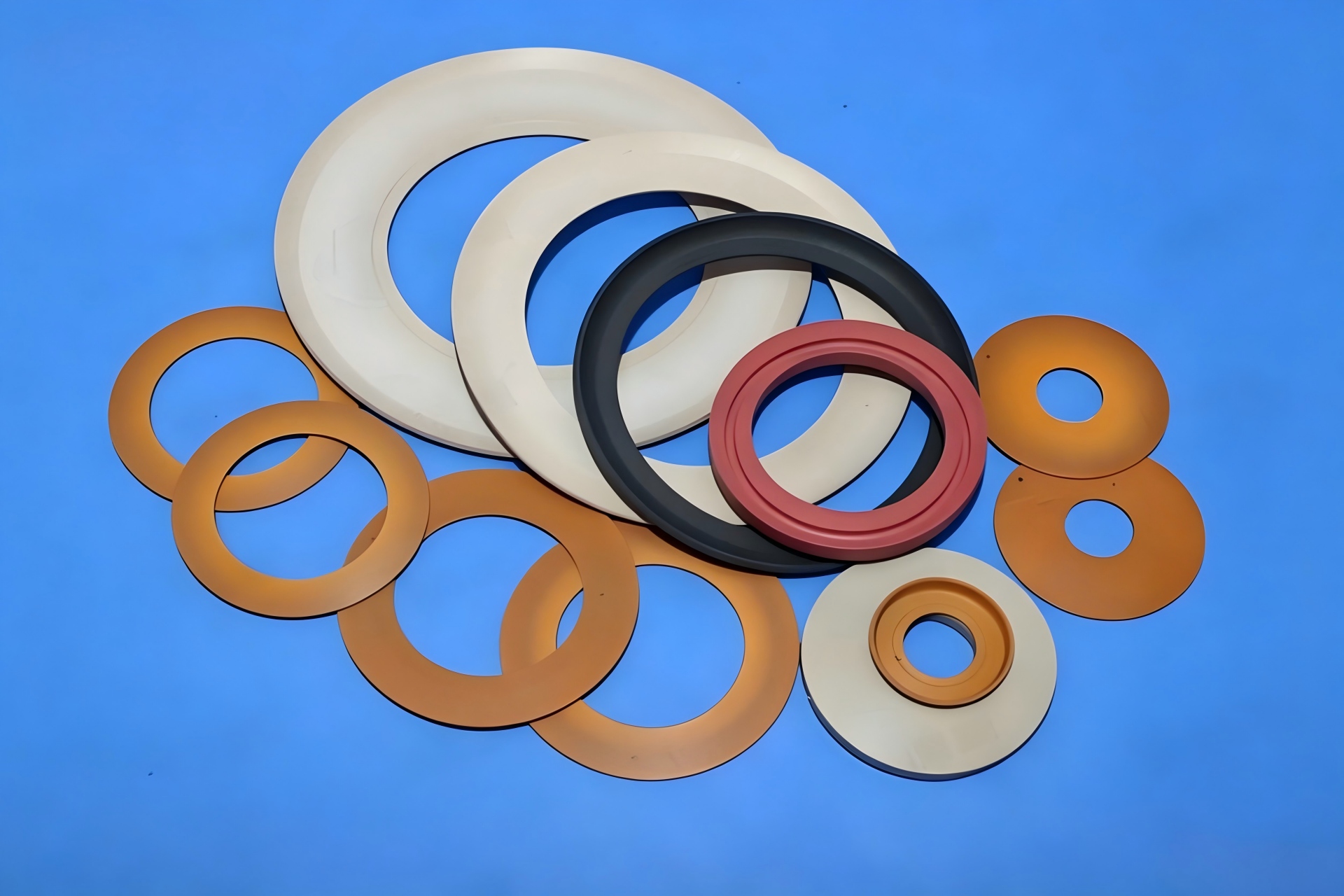
PPL sealing rings are manufactured by using polytetrafluoroethylene (PTFE) as the matrix, filling with polyphenylene powder and other raw materials for compression molding, followed by high-temperature sintering and cooling. The comprehensive performance of these sealing rings is far superior to that of pure PTFE products or sealing parts made from PTFE filled with other materials.
Thanks to their excellent high-temperature resistance, corrosion resistance, and self-lubricating properties, PPL sealing rings are widely used in multiple industries:
Chemical Industry
In chemical equipment, PPL sealing rings can be used to seal various corrosive media, such as strong acids and alkalis. Their outstanding corrosion resistance ensures the long-term stable operation of the equipment.
Printing and Dyeing Industry
In printing and dyeing equipment, PPL sealing rings are used to seal high-temperature, high-pressure steam pipelines, ensuring the normal operation of equipment and product quality.
Compressor Industry
In compressors, PPL sealing rings are used to prevent gas or liquid leakage, improving equipment efficiency and safety.
Valve Industry
In valves, PPL sealing rings are used to seal the gap between the valve seat and the valve stem, preventing medium leakage and ensuring the normal operation of the valve.
In addition, PPL sealing rings are also widely used in light industry, textile, machinery, and other industries. Their excellent comprehensive performance makes them an ideal sealing material for these sectors.
In conclusion, para polyphenylene, as a new type of polymer material, has many excellent properties and is widely used in various industries. As an important application of para polyphenylene, PPL sealing rings also perform exceptionally well in the sealing field, providing strong support for the stable operation of equipment in all industries.
Comments are closed