



Hydrogenated nitrile rubber (HNBR) is a high-performance specialty rubber produced through the selective hydrogenation of the unsaturated double bonds in the molecular chain of regular nitrile rubber (NBR). Compared to standard nitrile rubber, HNBR retains excellent oil resistance while significantly enhancing its resistance to heat, oxidation, ozone, and various chemical media, particularly excelling in high-temperature, high-pressure, and harsh chemical environments.
HNBR exhibits excellent mechanical strength, with its tensile strength, tear strength, and wear resistance ranking among the top in oil-resistant rubbers. Its typical operating temperature range is between -30℃ and 150℃, while specially formulated products can withstand temperatures as low as -40℃ or sustained high temperatures up to 165℃. This thermal stability makes it a viable alternative to fluororubber (FKM) or chloroprene rubber (CR) for use in certain more demanding applications.
HNBR exhibits excellent resistance to mineral oil, fuel oil, diesel, biodiesel, refrigerants (such as R134a, R1234yf), as well as diluted acidic gases and oilfield chemical media. However, it is not suitable for use with strong oxidizing acids (such as fuming nitric acid), polar solvents (such as ketones and esters), and brake fluids (phosphate ester type).
HNBR exhibits excellent resistance to compression set, dynamic fatigue life, and low permeability. These characteristics make it perform exceptionally well in dynamic sealing applications that require long-term maintenance of sealing preload or exposure to alternating stress. Furthermore, specially formulated HNBR also possesses good resistance to deflagration decompression (RGD), making it suitable for sealing high-pressure natural gas and associated gas in oil fields.
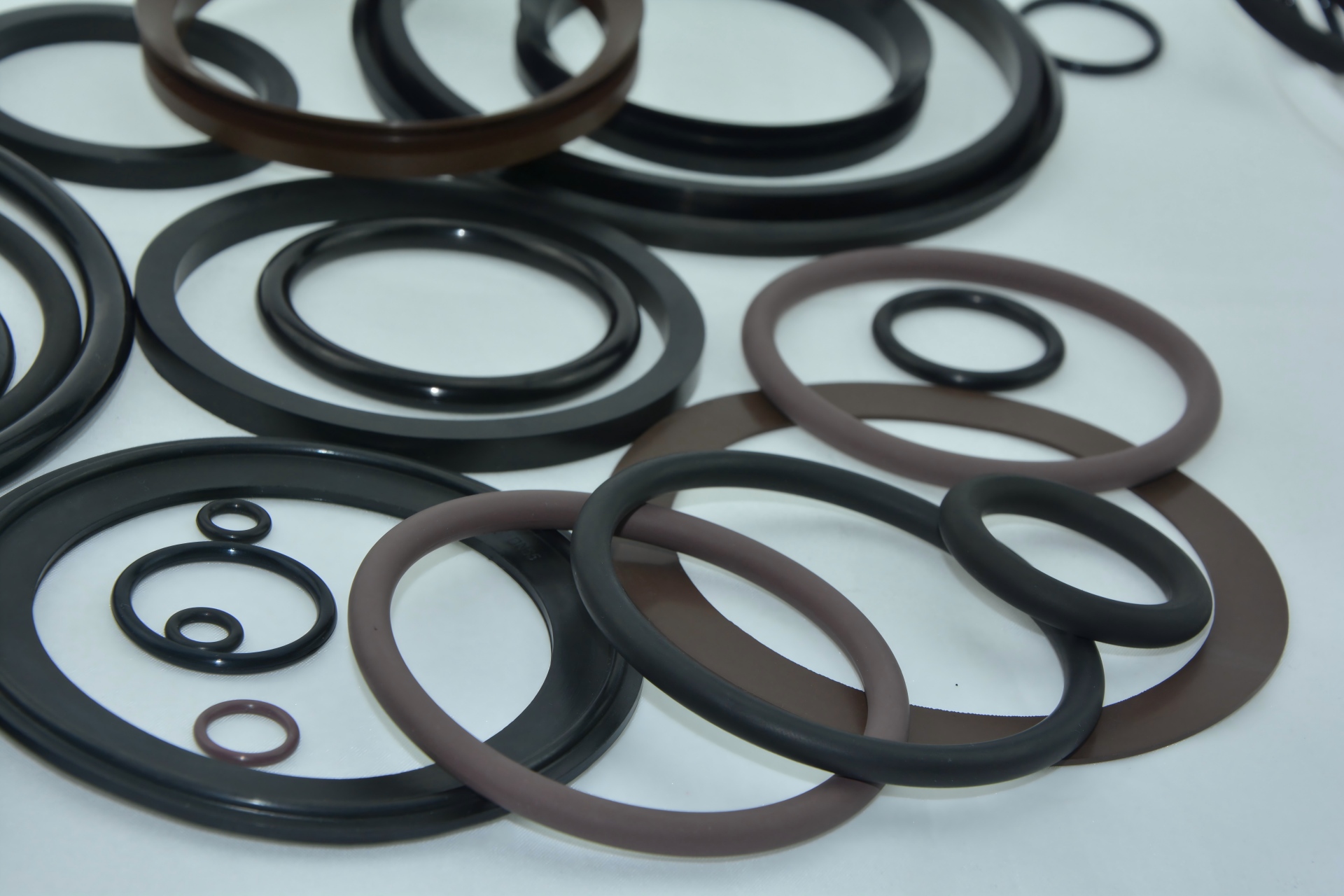
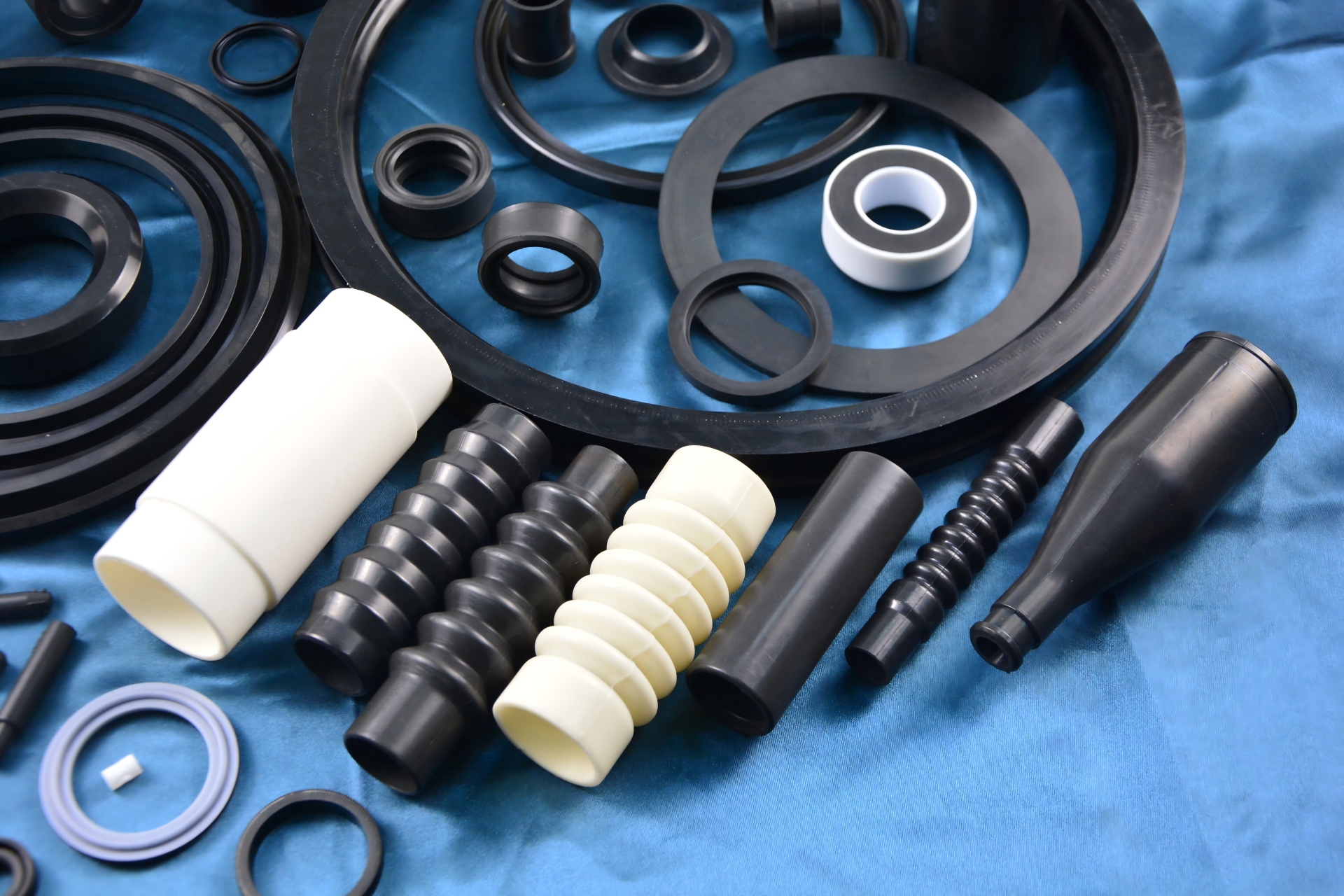
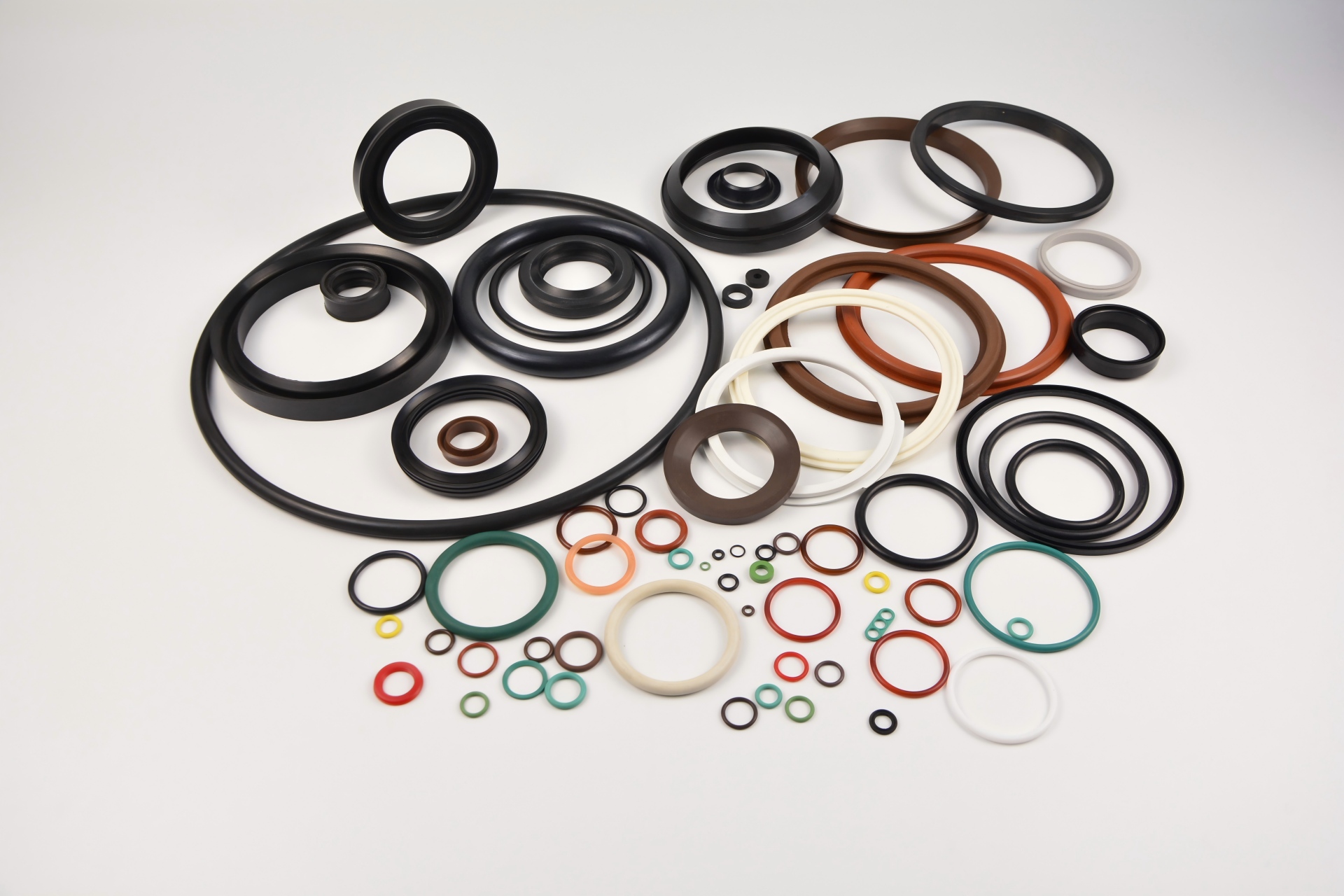
HNBR seals, referring to O-rings, gaskets, oil seals, and other products made from hydrogenated nitrile rubber as the base material, have become key sealing materials in industrial fields with stringent reliability requirements, thanks to their unique combination of "oil resistance + high temperature resistance + high strength".
Automotive manufacturing: In automotive powertrains, HNBR seals are widely used in engine front end cover oil seals, crankshaft rear oil seals, valve stem oil seals, automatic transmission sealing rings, and fuel injection system O-rings. Their ability to withstand biodiesel and alcohol-containing fuels makes them an ideal choice for the sealing solutions of the new generation of environmentally friendly engines.
Oil and gas extraction: In downhole tools for oil fields (such as packers, safety valves), drilling equipment, and oil pipelines, HNBR seals need to resist the synergistic erosion of hydrogen sulfide (H₂S), carbon dioxide (CO₂), high-pressure methane, and high-temperature saltwater. Its resistance to explosive decompression significantly reduces the risk of downhole seal failure and is widely recognized as one of the preferred elastomeric materials for acidic environments (high H₂S content).
Refrigeration and Air Conditioning: Due to HNBR's excellent compatibility and low permeability to new environmentally friendly refrigerants (such as R134a, R1234yf, and CO₂ transcritical cycle) and corresponding refrigeration oils, it is widely used in components such as automotive air conditioning pipelines, rotary compressor seals, household air conditioning shut-off valves, and refrigeration and freezer door seals, ensuring the sealing efficiency throughout the entire life cycle of the refrigeration system.
Industrial Hydraulics and Pneumatics: In high-pressure hydraulic cylinders, piston pumps, directional control valves, and cylinder piston seals, HNBR offers superior wear resistance, low friction heat generation, and resistance to compression deformation compared to ordinary nitrile rubber. It is suitable for hydraulic systems in construction machinery, injection molding machines, mining equipment, and other applications that require long maintenance intervals.
Aerospace: In the sealing of aeroengine accessory gearboxes, fuel pumps, landing gear shock absorbers, and flight control actuators, HNBR is adopted due to its wide operating temperature range (capable of withstanding 175°C in the short term), excellent fuel resistance, and low outgassing characteristics, meeting the extreme requirements for safety and reliability of aviation seals.
In addition, HNBR seals are also widely used in precision fields such as chemical processing equipment, high-pressure compressors in natural gas filling stations, hydrogen fuel cell systems (low-pressure sealing), food processing (grades that meet specific FDA standards), and measuring instruments.
In summary, hydrogenated nitrile rubber (HNBR) and its seals have become key sealing materials in various demanding applications ranging from modern automobiles to deep-well drilling, thanks to their high-temperature mechanical properties, extensive chemical resistance, and excellent dynamic sealing capabilities, continuously driving the development of high-end sealing technology.
Comments are closed