



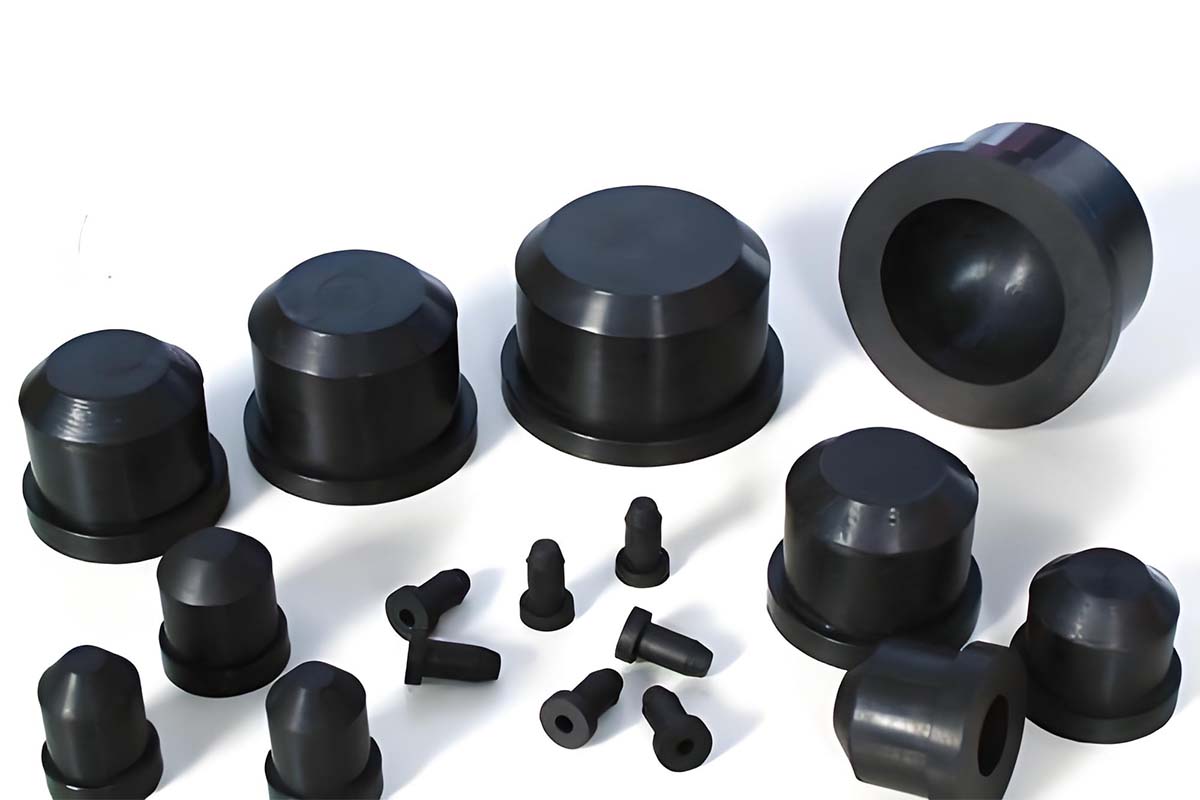
Carboxylated nitrile rubber (XNBR) is a modified polymer of nitrile rubber (NBR), which significantly improves the mechanical properties and wear resistance of the material by introducing carboxyl groups (- COOH) during the polymerization process. Compared with standard nitrile rubber, XNBR has higher tensile strength, tear strength, and ozone cracking resistance while maintaining excellent oil resistance.
XNBR has excellent resistance to oil, fuel, and chemical media, especially outstanding resistance to petroleum based oils, mineral oils, animal and vegetable oils, and fatty hydrocarbon solvents. Its operating temperature range is usually from -30 ℃ to 120 ℃, and it can withstand high temperatures up to 150 ℃ in the absence of air.
The most notable feature of this material is its excellent wear resistance and tear resistance. The introduction of carboxyl groups increases the cross-linking density between molecules, resulting in a 30% -50% increase in wear resistance compared to standard NBR, making it highly suitable for dynamic sealing environments with high friction and stress.
XNBR also has good tensile strength and resistance to compression permanent deformation. Its tensile strength can reach 15-25 MPa, and even under long-term compression, the sealing ring can maintain its resilience, reducing the risk of leakage. In addition, XNBR also has a certain tolerance to dilute acid, dilute alkali, and salt solutions.
It should be noted that XNBR is not resistant to polar solvents (such as ketones, chlorinated hydrocarbons), strong oxidizing acids, and brake fluids, and should be avoided from contact with such media during application.
XNBR seals, which are sealing rings made of carboxyl nitrile rubber, are widely used in harsh dynamic sealing scenarios in the industrial field due to their excellent oil resistance and high-strength wear resistance.
Hydraulic and pneumatic systems: XNBR seals can effectively resist the erosion of hydraulic oil in high-pressure hydraulic cylinders, cylinders, piston rod seals, and dust seals, and maintain low wear and high sealing performance during frequent reciprocating motion, significantly extending equipment maintenance cycles.
Petroleum and natural gas industry: used for sealing drilling equipment, valves, pump bodies, and pipeline connections. XNBR can withstand corrosion from various chemical additives in crude oil, diesel, lubricants, and drilling fluids, while also resisting abrasive wear caused by sand containing fluids.
Construction machinery and heavy-duty equipment: The working environment of excavators, loaders, rollers and other equipment is often accompanied by high impact and high pollution (mud, sand and dust). XNBR sealing rings, with their high tear resistance, effectively prevent damage caused by rough installation or particle intrusion.
Automotive components: widely used in engine oil pan, crankshaft front and rear oil seals, power steering system, fuel pump sealing rings and other positions, resistant to high temperature lubricating oil, gasoline and wear caused by dynamic eccentric motion.
Mining and metallurgical machinery: In equipment such as ore crushers, vibrating screens, and mills, XNBR seals can withstand the mixed wear of high concentration dust particles and lubricating grease, preventing bearings and gearboxes from failing due to seal failure.
Chemical processing industry: Seals for pumps, mixers, and valves that come into contact with dilute acids, alkaline solutions, amines, and salt solutions, but must avoid environments with strong oxidants and polar solvents.
In summary, carboxyl nitrile rubber materials and their XNBR seals play an important role in sealing applications under medium to high pressure, granular media, and dynamic working conditions due to their unique properties of high oil resistance, high strength, and super wear resistance. They provide key guarantees for the reliable operation of hydraulic transmission, petroleum machinery, and heavy equipment.
Comments are closed