



Nitrile rubber (NBR), a synthetic rubber copolymerized from acrylonitrile and butadiene, is a special rubber with excellent oil resistance. Its outstanding characteristic lies in its superior resistance to petroleum-based oils and non-polar solvents.
Nitrile rubber exhibits excellent resistance to oils, fuels, and mineral oils, with its oil resistance being second to none among all general-purpose rubbers. As the acrylonitrile content increases (typically between 18% and 50%), the rubber's resistance to non-polar oils significantly improves, but its cold resistance decreases accordingly. The commonly used temperature range is from -40℃ to 120℃.
Nitrile rubber exhibits excellent wear resistance and tear resistance, with physical and mechanical properties surpassing many other synthetic rubbers. It is suitable for dynamic sealing applications that require resistance to friction and wear, such as seals in hydraulic cylinders and pneumatic cylinders.
Nitrile rubber exhibits good compatibility with most aliphatic hydrocarbons, mineral oils, animal and vegetable oils, as well as weak acids and alkalis. However, its major limitation lies in its poor resistance to polar solvents (such as ketones, ozone, and nitrohydrocarbons) and brake oils (based on ethylene glycol), and it is also not suitable for use in strongly oxidizing environments.
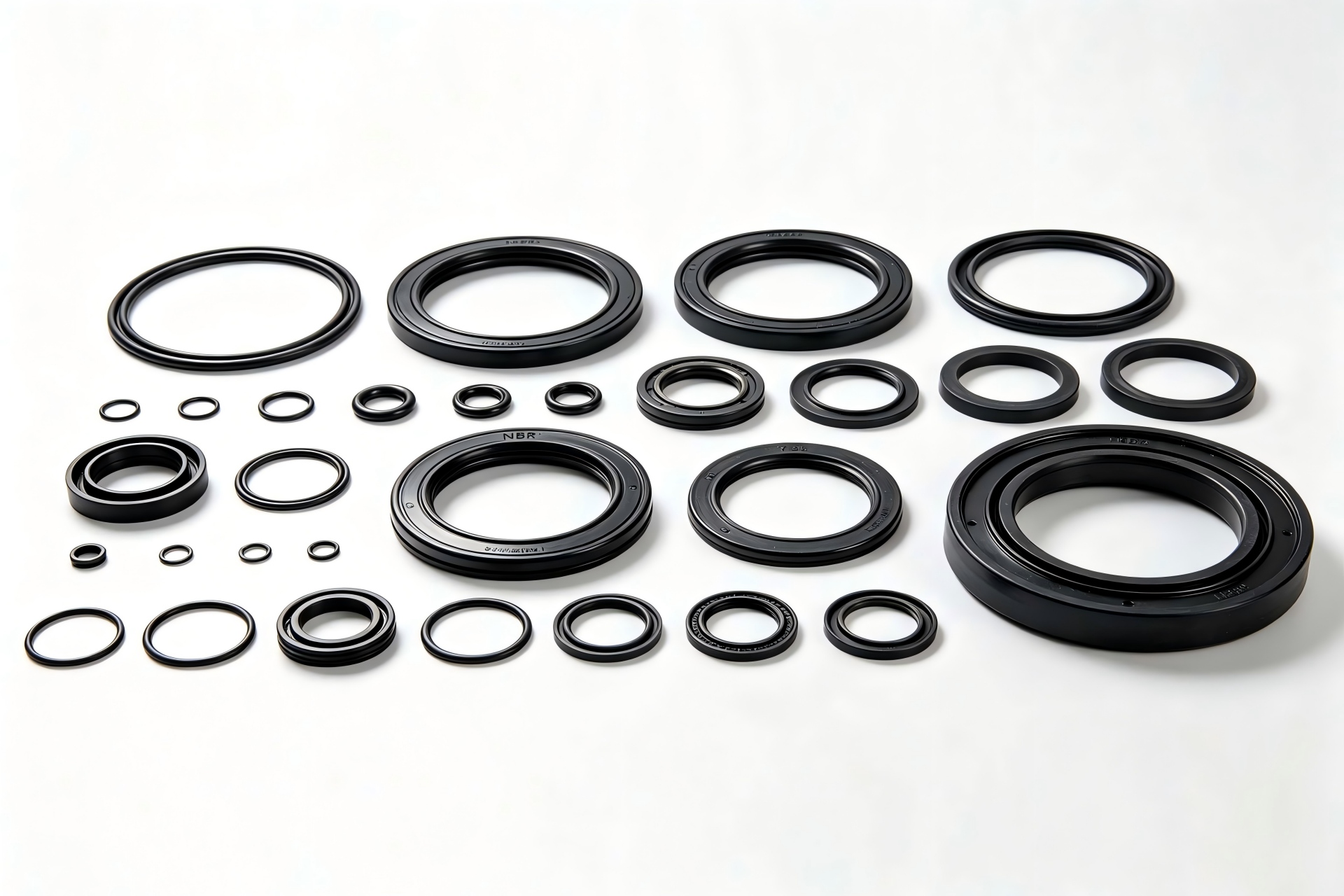
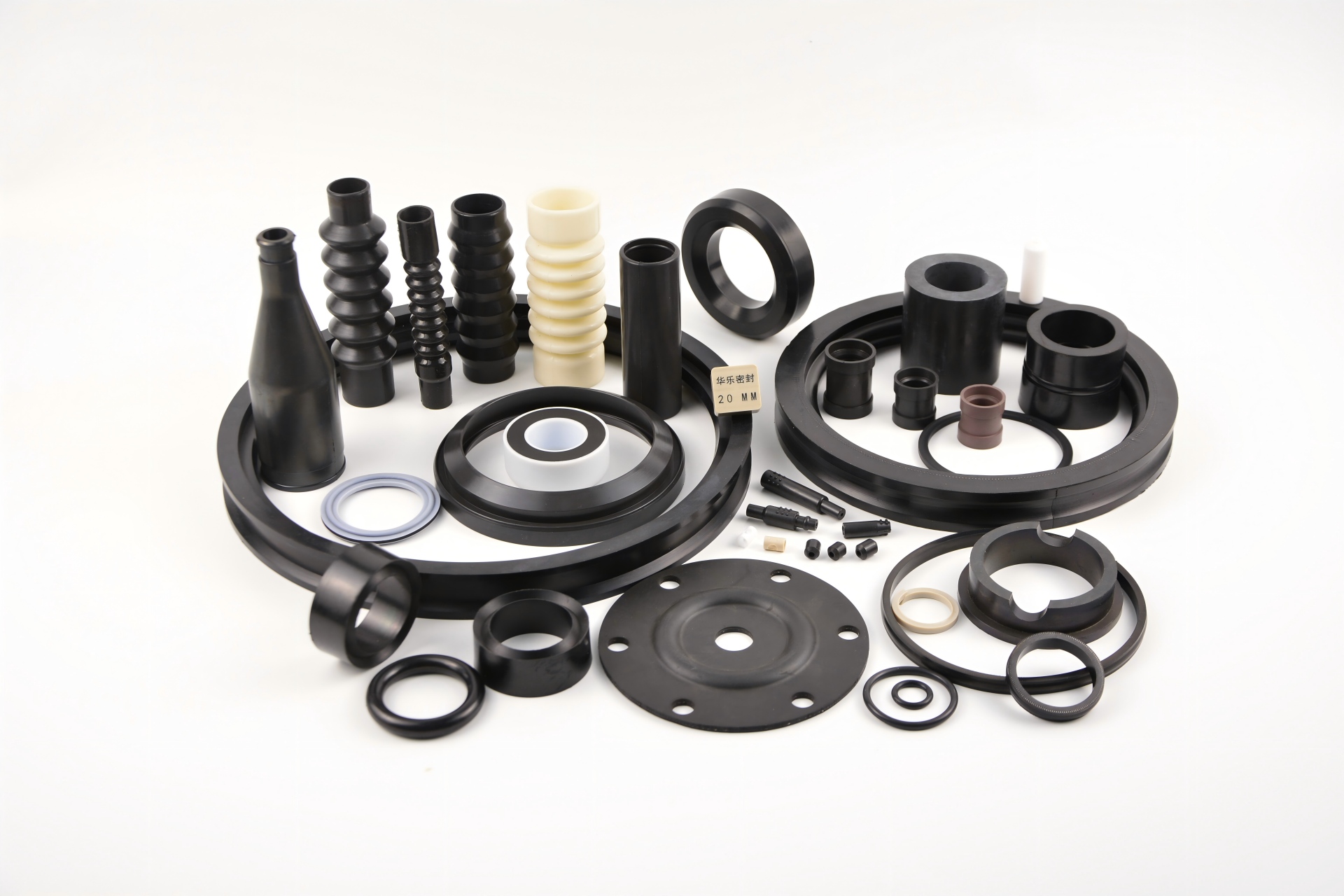
Nitrile rubber also possesses excellent air tightness and low compression set properties, making it an ideal base material for manufacturing various sealing products such as O-rings and oil seals.
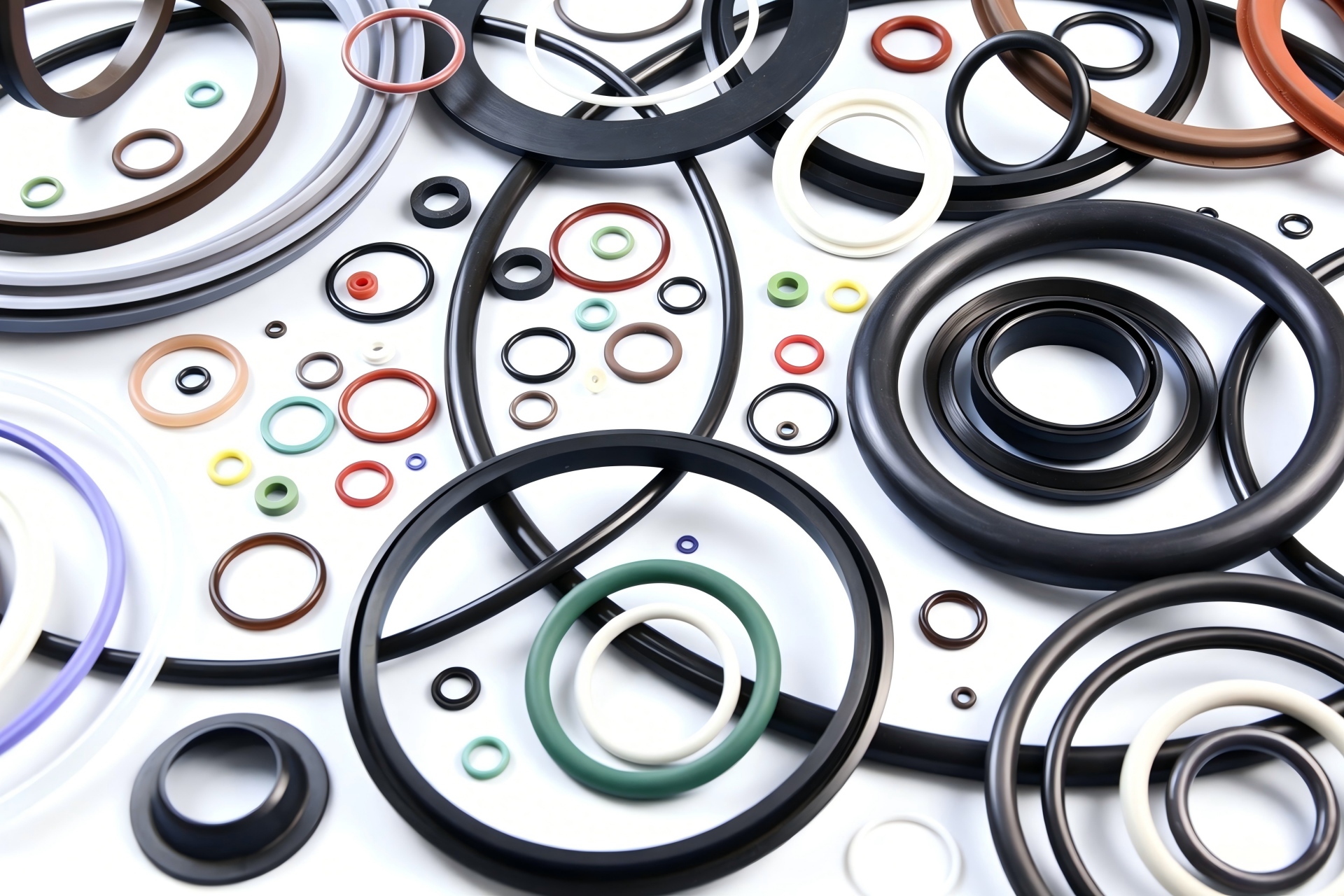
NBR seals, which are sealing rings made of nitrile rubber (NBR), have become one of the most economical and widely used sealing solutions in the industrial field due to their excellent oil resistance and good comprehensive performance.
Automotive manufacturing: In the automotive industry, NBR seals are widely used in engines, fuel systems, transmissions, and chassis components. Specifically, they include fuel pump seals, oil filter gaskets, and oil line connectors, which are used in environments where they are exposed to gasoline, diesel, and lubricating oil for extended periods, ensuring leak-free operation.
Hydraulic and pneumatic systems: In equipment such as construction machinery, injection molding machines, and hydraulic presses, NBR seals are widely used for piston seals, piston rod seals, and various hydraulic valve components in hydraulic cylinders and pneumatic cylinders. Their wear resistance and resistance to mineral-based hydraulic oils effectively ensure stable system pressure.
Petrochemical industry: In petroleum extraction and refining equipment, NBR seals are used in static sealing parts such as pipeline flanges, valves, and pump bodies to resist the erosion of crude oil, lubricating oil, and some chemical media. However, they should be carefully selected in chemical environments containing strong oxidants or polar solvents.
General industrial and household appliances: In pneumatic tools, air compressors, refrigeration equipment (with low-temperature resistant formulations), as well as household appliances such as washing machines and fuel heaters, NBR seals are used to seal oil or gas circuits, preventing lubricating grease leakage or the intrusion of external contaminants.
Mold and Hardware Industry: In mold manufacturing, injection molding, and hardware accessories, NBR seals are commonly used in mold water or oil cooling systems, as well as various quick-connect fittings and pipe joints, providing reliable and cost-effective sealing effects.
In summary, nitrile rubber materials and their NBR seals occupy a core position in almost all oil-related industrial fields such as machinery, automotive, hydraulic, and petrochemical due to their excellent oil resistance and outstanding cost-effectiveness. They are currently the most widely used and reliable oil-resistant sealing materials.
Comments are closed