



Fluorosilicone Rubber, also known as FVMQ or γ-trifluoropropyl methyl polysiloxane, is a special synthetic rubber that incorporates methyl, vinyl, and trifluoropropyl groups into the side chains of the main siloxane backbone (-Si-O-). It was first developed in 1956 by the Dow Corning Corporation and the US Air Force, initially for aviation applications. China produced a similar product in 1966 through collaboration between the Chinese Academy of Sciences and the Shanghai Institute of Organic Fluorine.
Fluorosilicone rubber combines the dual excellent properties of silicone rubber and fluororubber. Structurally, it features a flexible Si-O-Si backbone, thus inheriting the excellent high and low temperature resistance and electrical insulation properties of silicone rubber. At the same time, due to the introduction of fluorine-containing groups (trifluoropropyl) into the side chains, it also acquires the excellent oil resistance, solvent resistance, and chemical medium resistance characteristics of fluororubber.
In terms of temperature resistance, the standard operating temperature range of FVMQ is from -60℃ to 177℃, and some special formulations can operate at extreme temperatures from -68℃ to 230℃. Its low-temperature performance is particularly outstanding, with a brittle temperature of -89℃, far exceeding that of ordinary fluororubber (about -30℃). In terms of medium resistance, FVMQ exhibits excellent swelling resistance to non-polar media such as aromatic hydrocarbon mineral oil, aviation fuel oil, fuel, toluene, and xylene. This is because the fluorine-containing side chains reduce the surface energy of the material and enhance its chemical inertness.
In terms of physical and mechanical properties, FVMQ has a specific gravity of approximately 1.46 g/cm³, a hardness (Shore A) range from 30 to 89, and a tensile strength up to 85 Kgf/cm². Its electrical insulation properties are similar to those of ordinary silicone rubber, and it exhibits minimal changes under harsh conditions such as high and low temperatures, humidity, and oil contamination. Additionally, FVMQ possesses excellent weathering resistance, ozone aging resistance, good mold resistance, and physiological inertness.
It should be noted that FVMQ also has certain limitations: its heat resistance to air is inferior to that of standard methyl vinyl silicone rubber (VMQ), and it is prone to oxidative aging in high-temperature air above 200°C; its mechanical strength (especially tear strength) is relatively low; and it is not resistant to polar media such as ketones (e.g., acetone), brake fluids, and hydrazines.
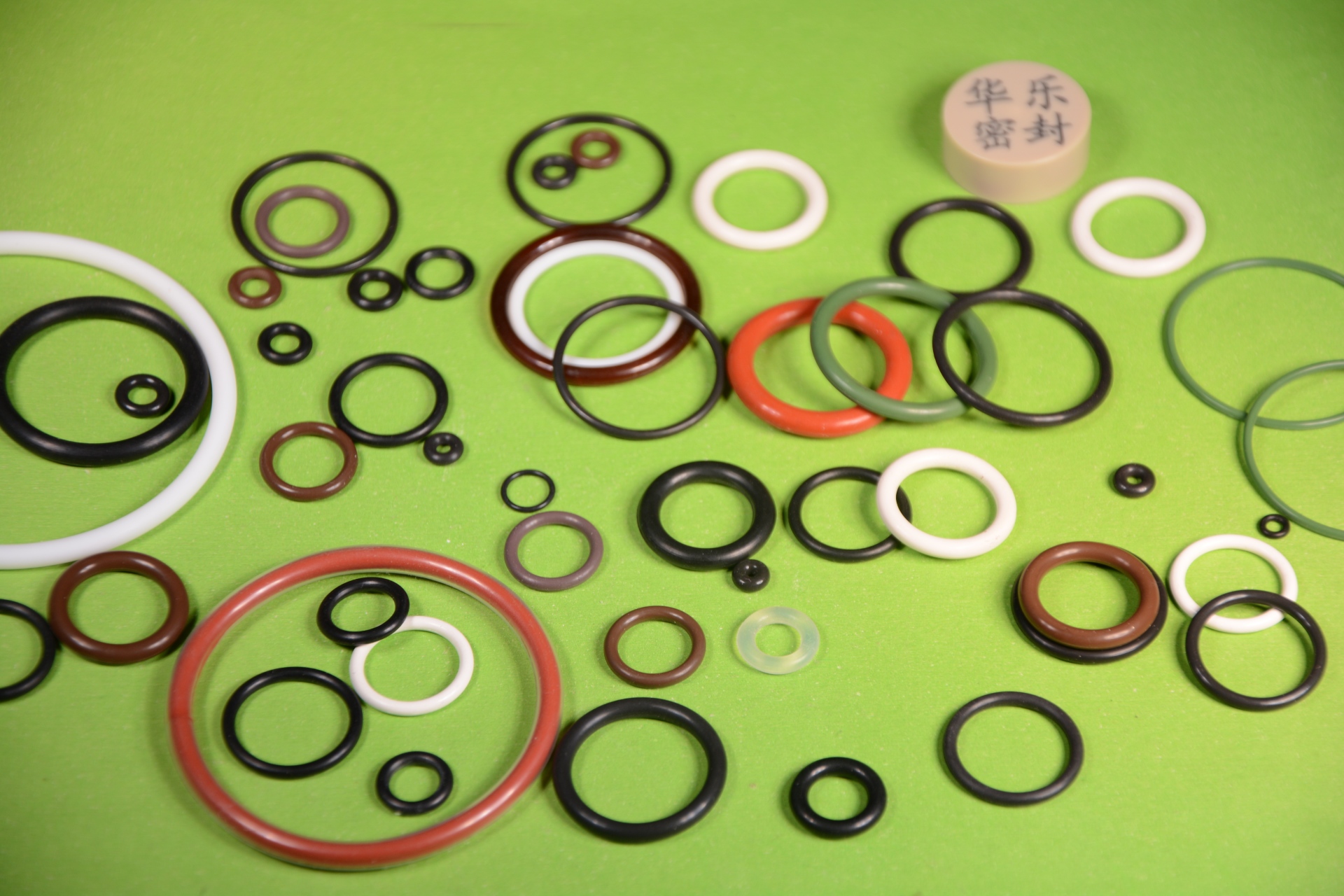
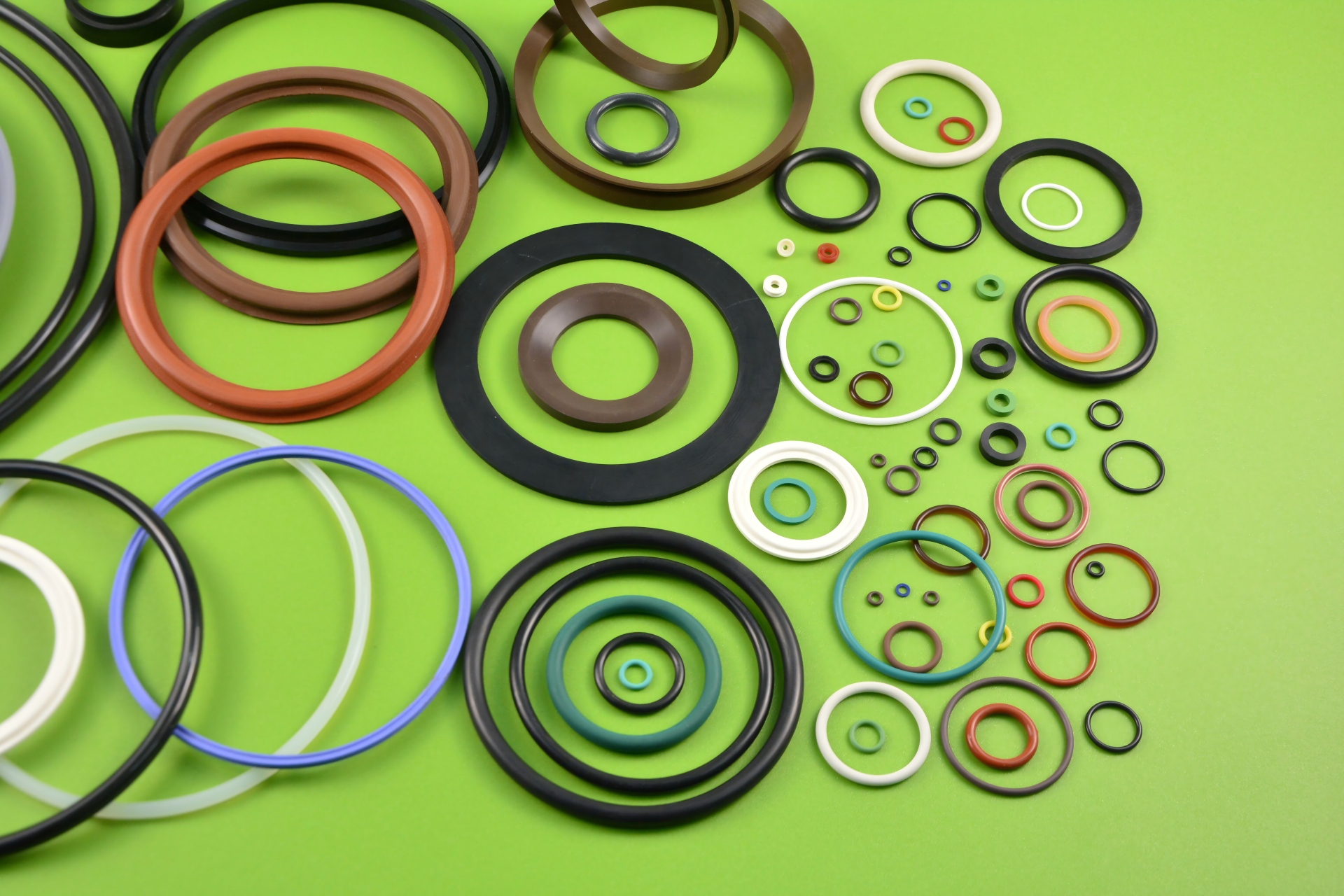
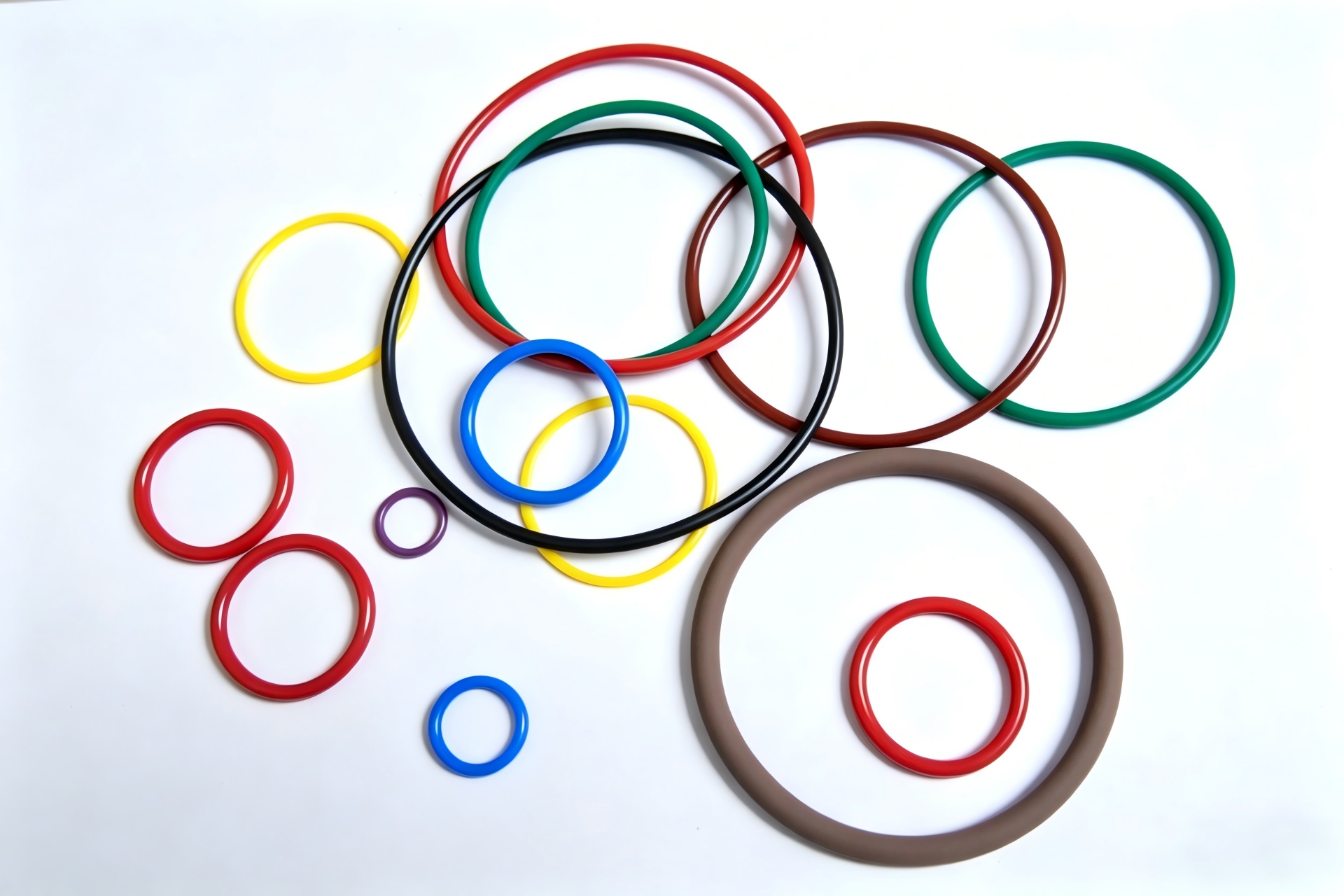
The FVMQ sealing ring is typically identified by its blue color, manufactured using a peroxide vulcanization system, and can be adjusted through formulation to meet FDA food-grade or medical-grade certification requirements.
FVMQ seals, which are sealing rings made of fluorosilicone rubber, play an irreplaceable role in industries with stringent requirements for fuel resistance and low-temperature elasticity, thanks to their unique combination of "oil resistance, cold resistance, and wide temperature tolerance".
Aerospace: This is the core and most traditional application field of FVMQ. Since its inception in 1956, FVMQ seals have been continuously utilized in the fuel, hydraulic, and lubrication systems of aircraft and spacecraft. Typical applications include engine fuel line seals, integral fuel tank seals, sensor diaphragms, hydraulic system bellows, O-rings, and various gaskets. Advanced FVMQ materials, such as F273, can operate stably over a long period of time within a temperature range from -70°C to 200°C, meeting the stringent requirements of the US military standard AMS-7273.
Automotive manufacturing: In the automotive industry, FVMQ seals are primarily used in components that come into direct contact with fuel. With the widespread adoption of turbocharging and direct fuel injection technologies in cars, the demand for fuel-resistant and high-temperature-resistant seals has been increasing. Typical applications include fuel pump diaphragms, fuel level indicator hoses, atomizer pump diaphragms, engine crankshaft rear seals, cylinder head gaskets, fuel tank cap gaskets, and oil filter seals. FVMQ can withstand the erosion from new fuels such as methanol-containing gasoline, ensuring the sealing reliability of the fuel system.
Petrochemical industry: In refineries and chemical plants, seals at pump, valve, reactor, and pipeline connections are exposed to various oils, solvents, and chemicals over extended periods. FVMQ seals are resistant to corrosion from aromatic hydrocarbon mineral oils, low molecular weight aromatic hydrocarbons (toluene, xylene), and other media. Additionally, their excellent low-temperature resistance ensures elastic sealing in northern winters or under low-temperature conditions.
Medical devices: FVMQ exhibits excellent physiological inertness, anticoagulant properties, and mold resistance, making it suitable for the manufacture of medical devices such as catheters, drainage tubes, and artificial valves. Its ability to withstand sterilization processes also renders it applicable for sealing components of reusable medical devices.
Electronic communication and precision instruments: FVMQ's electrical insulation properties and its stable performance under high and low temperatures, humidity, and oil contamination make it suitable for use in precision instruments with extremely high reliability requirements, such as sensor sealing materials and protective sealing rings for avionics equipment.
Military industry: Military vehicles and equipment need to adapt to extreme climatic conditions (ranging from cold regions to hot regions) and are exposed to fuel and lubricants for extended periods. FVMQ seals are used in critical areas such as the hydraulic systems of military aircraft, door and window seals and rear cover seals of special vehicles, and military sensors.
In addition, FVMQ seals can be customized and produced according to international standards (such as American Standard AS568, Chinese Standard GB/T 3452.1, etc.), offering different hardness and size specifications to meet diverse application needs.
In summary, fluorosilicone rubber (FVMQ) materials and their seals, leveraging their unique "silicon-fluorine combination" properties - combining the wide temperature adaptability and low-temperature elasticity of silicone rubber with the fuel and oil resistance of fluororubber - have become a benchmark solution for fuel-resistant and low-temperature sealing in aerospace, automotive manufacturing, petrochemical, and other fields, providing a solid material guarantee for the reliability of high-end manufacturing.
Comments are closed