



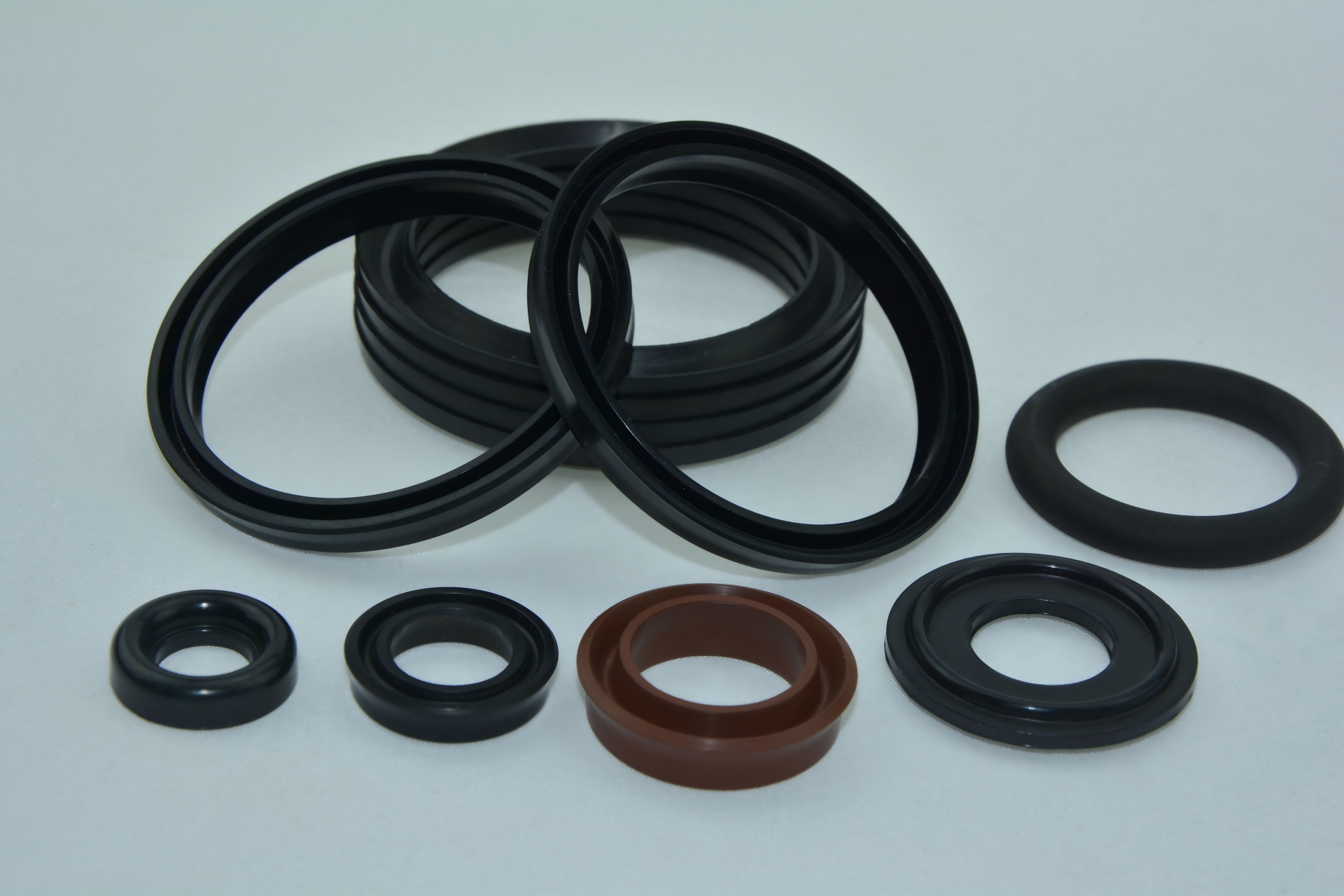
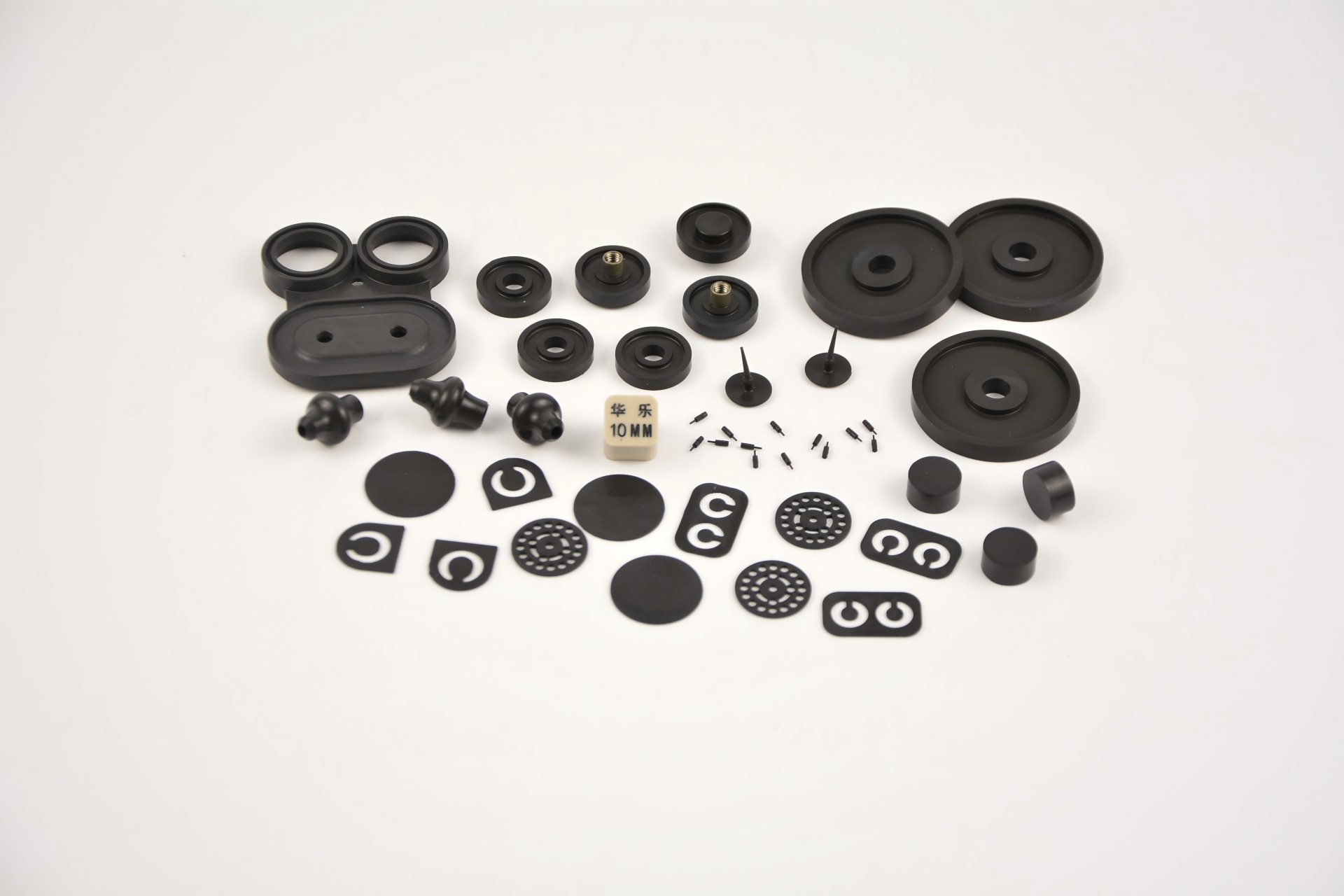
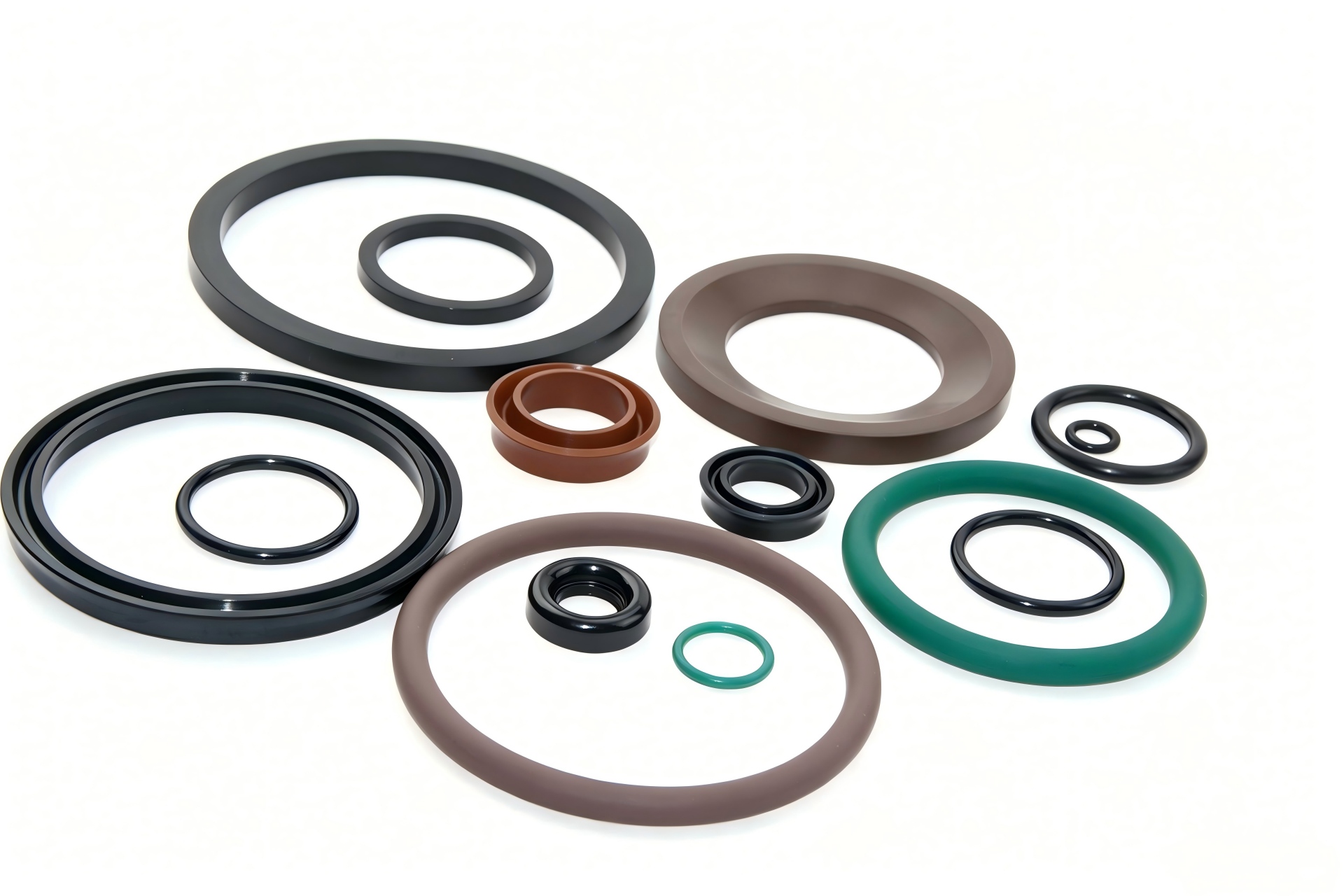
Tetrafluoroethylene-propylene rubber (TFE/P), trade name AFLAS, is a special fluororubber formed by the alternating copolymerization of tetrafluoroethylene and propylene. AFLAS 200 and AFLAS 300 are high-performance grades in this series developed for more harsh dynamic sealing and ultra-high temperature chemical environments. On the basis of maintaining excellent chemical corrosion resistance, they further optimize compression set, high-temperature resistance and dynamic fatigue life.
The core differences between AFLAS 200 and AFLAS 300 are as follows:
AFLAS 200: Focuses on extremely low compression set and excellent dynamic seal retention capacity, suitable for high-pressure, high-frequency reciprocating or rotating motion sealing scenarios, and can still maintain excellent elastic recovery at 200℃ high temperature.
AFLAS 300: Focuses on higher continuous service temperature and wider operating temperature range, with more prominent heat aging resistance. The long-term service temperature can reach 240℃, and it can withstand more than 260℃ in the short term. At the same time, its low-temperature performance (brittleness temperature -15℃ to -20℃) is slightly better than that of the 200 series.
Both grades have excellent resistance to high-temperature and highly corrosive chemical media, showing excellent stability to strong acids and alkalis such as concentrated sulfuric acid, concentrated nitric acid, hydrofluoric acid and sodium hydroxide, as well as high-temperature water, high-pressure steam and superheated water. Meanwhile, they have good compatibility with amines, acidic oil and gas containing hydrogen sulfide (H₂S), extreme pressure lubricating oil additives, phosphate ester hydraulic oil and various brake fluids.
AFLAS 200/300 have extremely high heat aging resistance. The normal operating temperature range is usually -15℃ to +230℃ (AFLAS 200) or -15℃ to +240℃ (AFLAS 300), and both can withstand +260℃ in the short term. Their compression set at high temperature is significantly lower than that of ordinary fluororubber (FKM) and AFLAS 100 series, ensuring the sealing reliability during long-term service.
These two high-performance grades also have extremely low permeability, excellent plasma resistance, ultraviolet resistance and radiation resistance. They have high mechanical strength (tensile strength 15-22MPa), and their tear strength and wear resistance are better than those of standard FKM and AFLAS 100 series, with longer dynamic fatigue life.
However, AFLAS 200/300 are not resistant to low-molecular-weight organic acids (such as formic acid and acetic acid), chlorinated hydrocarbons (such as dichloromethane) and certain chlorofluorocarbon refrigerants. In addition, their cost is significantly higher than that of AFLAS 100 series and ordinary FKM, and the processing technology requirements are more stringent.
AFLAS 200/300 seals, which are made of high-performance tetrafluoroethylene-propylene rubber, play an irreplaceable role in the harshest dynamic sealing scenarios such as high-temperature deep wells in petrochemical industry, supercritical steam in power plants, semiconductor plasma etching and high-temperature and high-pressure oil circuits of automobile engines due to their extreme dynamic seal retention capacity and ultra-high temperature chemical stability.
Ultra-deep oil and gas exploitation: In the sealing of downhole tools (such as packers and safety valves) in ultra-deep wells (depth > 7000 meters), high-pressure and high-temperature (HPHT) wellhead equipment, acid fracturing head seals and coiled tubing connector seals, AFLAS 200/300 can withstand extreme working conditions of more than 200℃, high concentration of H₂S/CO₂ and amine corrosion inhibitors. Their excellent compression set resistance ensures the sealing integrity after multiple setting/unsetting cycles.
Supercritical power generation and nuclear energy: In the main steam valve seals of supercritical (SC) and ultra-supercritical (USC) thermal power units, lip seals of boiler circulating pumps, shaft seals of nuclear power plant coolant pumps and high-temperature steam valves of geothermal wellheads, the ultra-high temperature steam resistance (240℃ continuous) and low permeability of AFLAS 300 make it a reliable upgrade solution to replace metal seals and traditional FKM.
High-end automotive powertrain: In the turbocharger wastegate shaft seals, diesel high-pressure common rail system seals, variable valve timing (VVT) actuator seals and electric vehicle high-speed reducer oil seals of high-performance engines, the low compression set characteristic of AFLAS 200 can cope with frequent thermal cycles (from -30℃ cold start to more than 200℃ high load) and high-pressure (> 30MPa) impact, significantly reducing the risk of long-term leakage.
Semiconductor and flat panel display manufacturing: In the chamber seals of plasma-enhanced chemical vapor deposition (PECVD) equipment, edge seals of electrostatic chucks in dry etching equipment, valve seals of atomic layer deposition (ALD) equipment and roller seals for high-generation glass substrate transmission, the ultra-low plasma damage and ultra-low particle release characteristics of AFLAS 200/300 meet the strict requirements of 5nm and more advanced processes for vacuum seal cleanliness.
Chemical industry and special reactions: In the transportation of high-temperature and strong oxidizing media (such as fuming sulfuric acid and high-concentration hydrogen peroxide), the seals of reactors containing halogen active substances such as bromine/iodine, and the seals of supercritical CO₂ extraction equipment, AFLAS 300 provides chemical stability and long service life that FKM cannot achieve.
Aerospace and extreme environments: In the accessory gearbox seals of aero-engines, actuator seals of aircraft hydraulic systems (phosphate-based hydraulic oil), rocket fuel supply valve seals and attitude control propulsion system seals of deep space probes, AFLAS 200/300 combine multiple advantages such as resistance to high-temperature fuel, radiation, vacuum and low deformation after long-term storage.
Special attention should be paid: AFLAS 200 should be preferred for dynamic high-pressure occasions; AFLAS 300 should be selected for continuous ultra-high temperature (> 230℃) static or low-frequency dynamic sealing. For severe cold environments below -15℃, neither is the best choice, and low-temperature fluororubber or AFLAS 150 should be considered instead.
In summary, high-performance tetrafluoroethylene-propylene rubber (AFLAS 200/300) materials and their seals, with their extreme low compression set, ultra-wide temperature range chemical corrosion resistance and excellent dynamic fatigue life, play a key role as the "ultimate sealing solution" in the harshest engineering challenges such as oil ultra-deep wells, supercritical power generation, advanced semiconductor manufacturing and high-end automotive power.
Comments are closed