

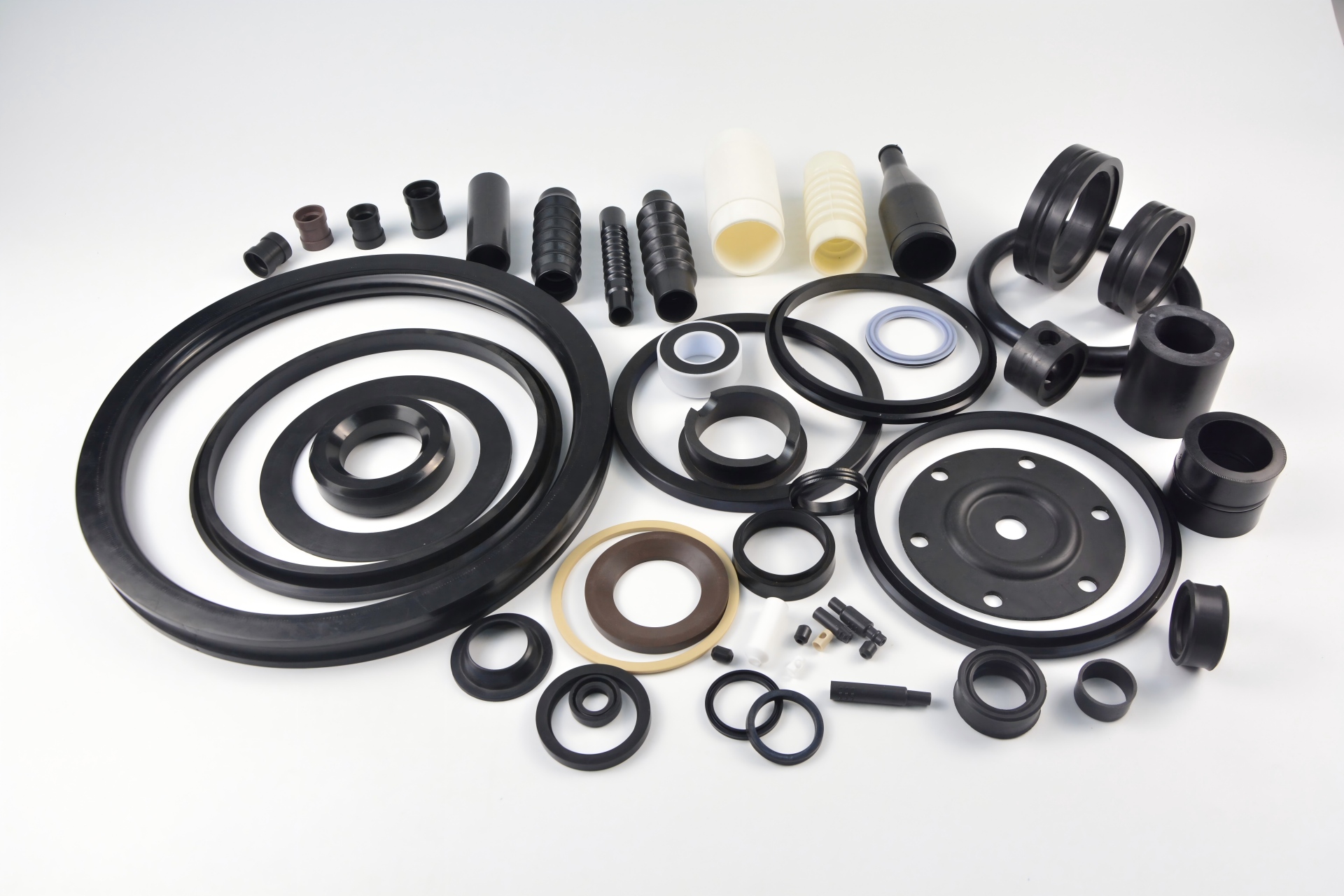
Tetrafluoroethylene-propylene rubber (TFE/P), commercially known as AFLAS, is a specialty fluoroelastomer produced by the alternating copolymerization of tetrafluoroethylene and propylene. It exhibits superior performance compared to conventional fluoroelastomers (FKM), demonstrating exceptional resistance to high-temperature chemical corrosion, steam, and aggressive acid and alkali environments.
AFLAS displays excellent stability against highly corrosive media such as concentrated sulfuric acid, concentrated nitric acid, hydrofluoric acid, and caustic soda, as well as high-temperature water and high-pressure steam—conditions under which standard FKM typically fails. Furthermore, it is compatible with amines, sour hydrocarbon streams containing hydrogen sulfide (H₂S), extreme-pressure additives, and various hydraulic fluids.
The primary distinctions between AFLAS 100 and AFLAS 150 are as follows: AFLAS 150 offers superior low-temperature flexibility (brittleness temperature of -15°C to -20°C, compared to approximately 0°C for AFLAS 100), higher tensile strength, and lower compression set, making it more suitable for dynamic sealing applications and low-temperature environments.
The typical service temperature range for AFLAS is -15°C to +230°C for Type 100 and -20°C to +230°C for Type 150, with short-term tolerance up to 260°C. It maintains a low compression set and good elasticity at elevated temperatures, and its thermal aging resistance significantly exceeds that of general-purpose fluoroelastomers.
Additional prominent advantages of AFLAS include its extremely low permeability, as well as outstanding resistance to plasma, ultraviolet (UV) radiation, and ionizing radiation. It possesses moderate mechanical strength (tensile strength of 15–20 MPa) and wear resistance superior to FKM, though inferior to polyurethane.
The primary limitations of AFLAS are its incompatibility with low-molecular-weight organic acids (e.g., formic acid, acetic acid), chlorinated hydrocarbons, and certain chlorofluorocarbon (CFC) refrigerants. Furthermore, its material cost is relatively high, and processing is challenging due to the requirement for specialized vulcanization systems.
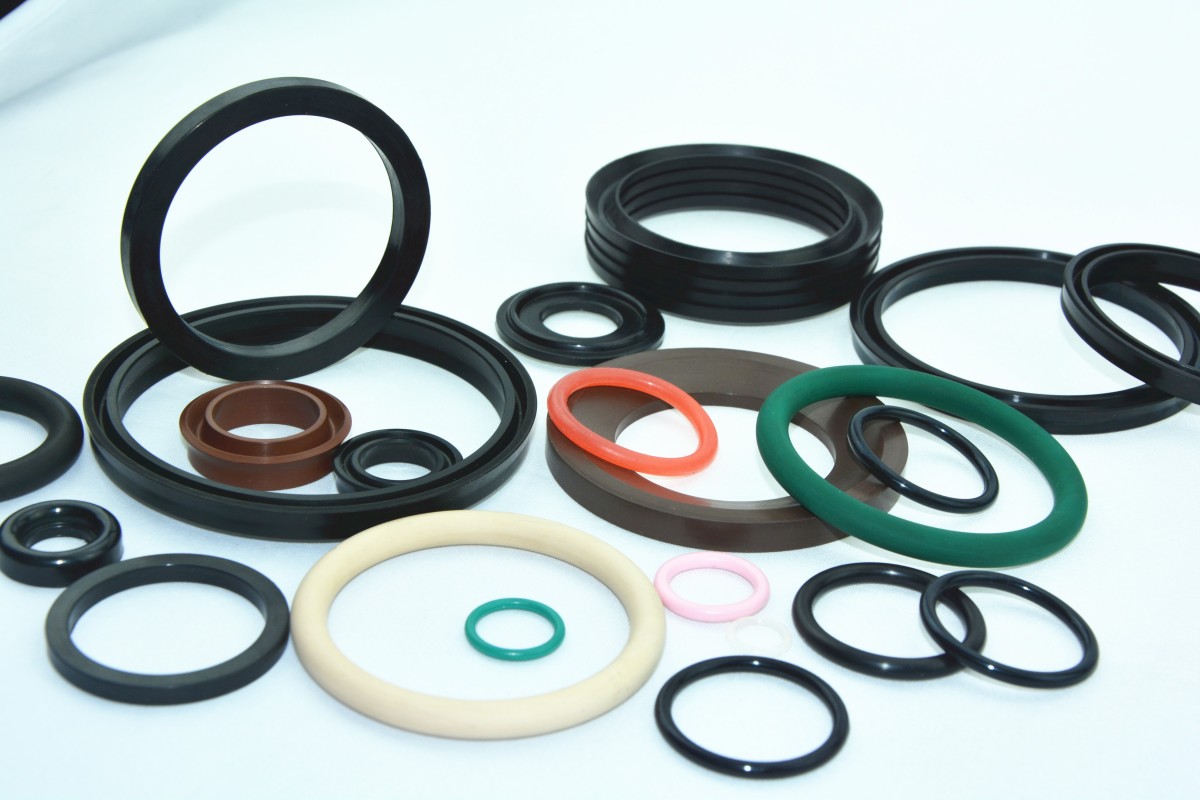
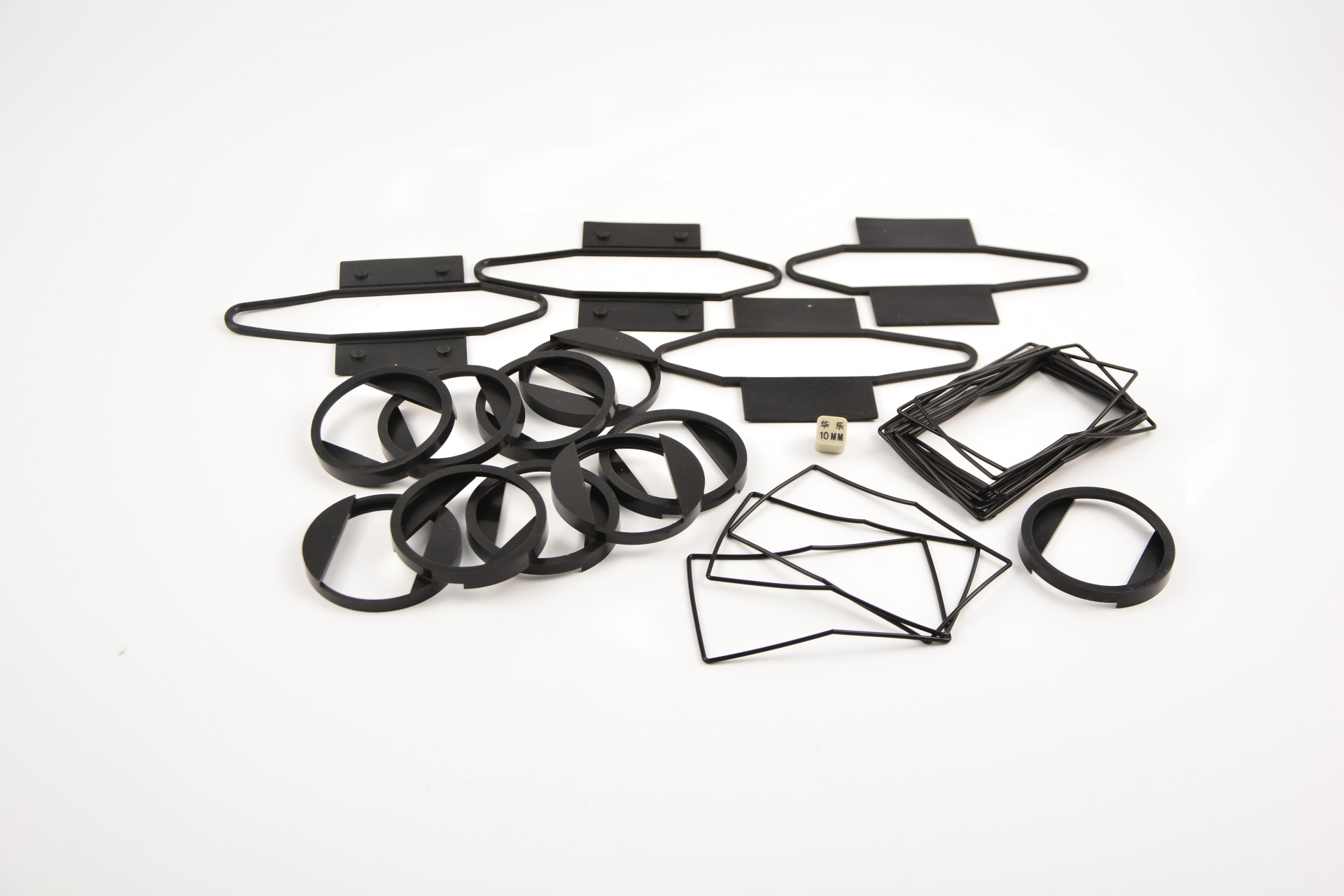
AFLAS seals, owing to their exceptional resistance to high-temperature steam, strong acids, alkalis, and amine-induced corrosion, play an indispensable role in demanding service conditions across the chemical, petrochemical, power generation, semiconductor, and automotive industries.
Oil & Natural Gas Extraction: In downhole equipment, blowout preventers (BOPs), water injection pumps, and pipeline connectors within sour oil and gas fields (containing high concentrations of H₂S and CO₂), AFLAS seals withstand high-pressure environments exceeding 180°C containing corrosive gases. They represent the preferred elastomeric material for resisting amine-based corrosion inhibitors and sour media.
Chemical & Pharmaceutical Industries: In seals for pumps conveying strong acids and alkalis, reactor vessels, pipeline flanges, valves, and solvent recovery units, AFLAS demonstrates stable performance against the majority of inorganic acids, alkalis, and organic solvents (with the exception of incompatible media), thereby ensuring safe containment of hazardous chemicals.
Power Generation & Steam Systems: In nuclear reactor cooling circuits, high-temperature steam valves in thermal power plants, steam turbine shaft seals, and geothermal wellhead seals, AFLAS reliably withstands high-temperature, high-pressure steam exceeding 200°C for extended periods, whereas conventional rubber and FKM rapidly degrade under such conditions.
Automotive & Engine Systems: In exhaust gas recirculation (EGR) valves, turbocharger oil passages, diesel particulate filter (DPF) differential pressure tubes, high-temperature oxygen sensors, and continuously variable transmission (CVT) high-temperature oil circuits, AFLAS 150, by virtue of its high-temperature oil resistance and low compression set, effectively addresses the challenges posed by thermo-oxidative degradation, acidic combustion byproducts, and high-temperature lubricants within modern engine compartments.
Semiconductor & Electronics Manufacturing: In seals for plasma etching equipment, chemical vapor deposition (CVD) systems, wet etching tools, and wafer cleaning machines, AFLAS offers excellent resistance to plasma attack and high-temperature aggressive process gases, significantly reducing particulate contamination and enhancing semiconductor manufacturing yields.
Industrial Hydraulics & Pneumatics: In phosphate ester-based fire-resistant fluid systems (e.g., turbine control systems), high-temperature thermal oil circulation systems, and hydraulic systems containing amine-based additives, AFLAS is an ideal replacement for FKM (which is incompatible with amines) and EPDM (which is incompatible with oils).
Application Notes: For environments below -15°C, AFLAS 150 should be preferentially selected. If the service medium contains low-molecular-weight organic acids or chlorinated hydrocarbon solvents, compatibility testing must be conducted in advance; where necessary, perfluoroelastomer (FFKM) should be substituted.
Conclusion
Tetrafluoroethylene-propylene rubber (AFLAS) and its seals, by virtue of their extreme chemical resistance (particularly to strong acids, strong alkalis, high-temperature steam, and amines), excellent high-temperature stability, and resistance to plasma attack, play an irreplaceable role in the petrochemical, power generation, semiconductor, and high-temperature, oil-rich automotive sectors. AFLAS stands as a premium elastomeric sealing material engineered for the most demanding aggressive service conditions.
Comments are closed