

High Pressure Plunger Seals
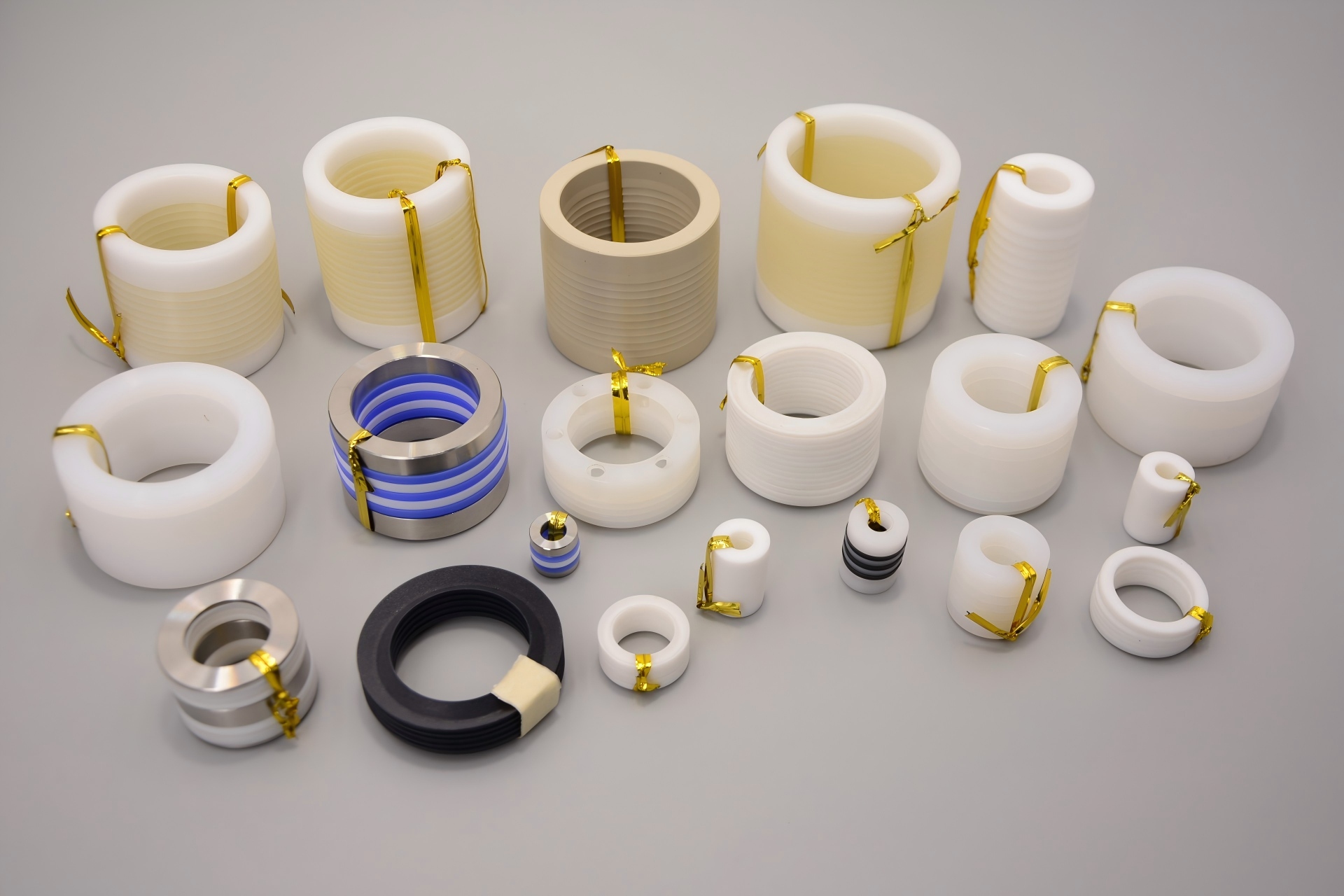
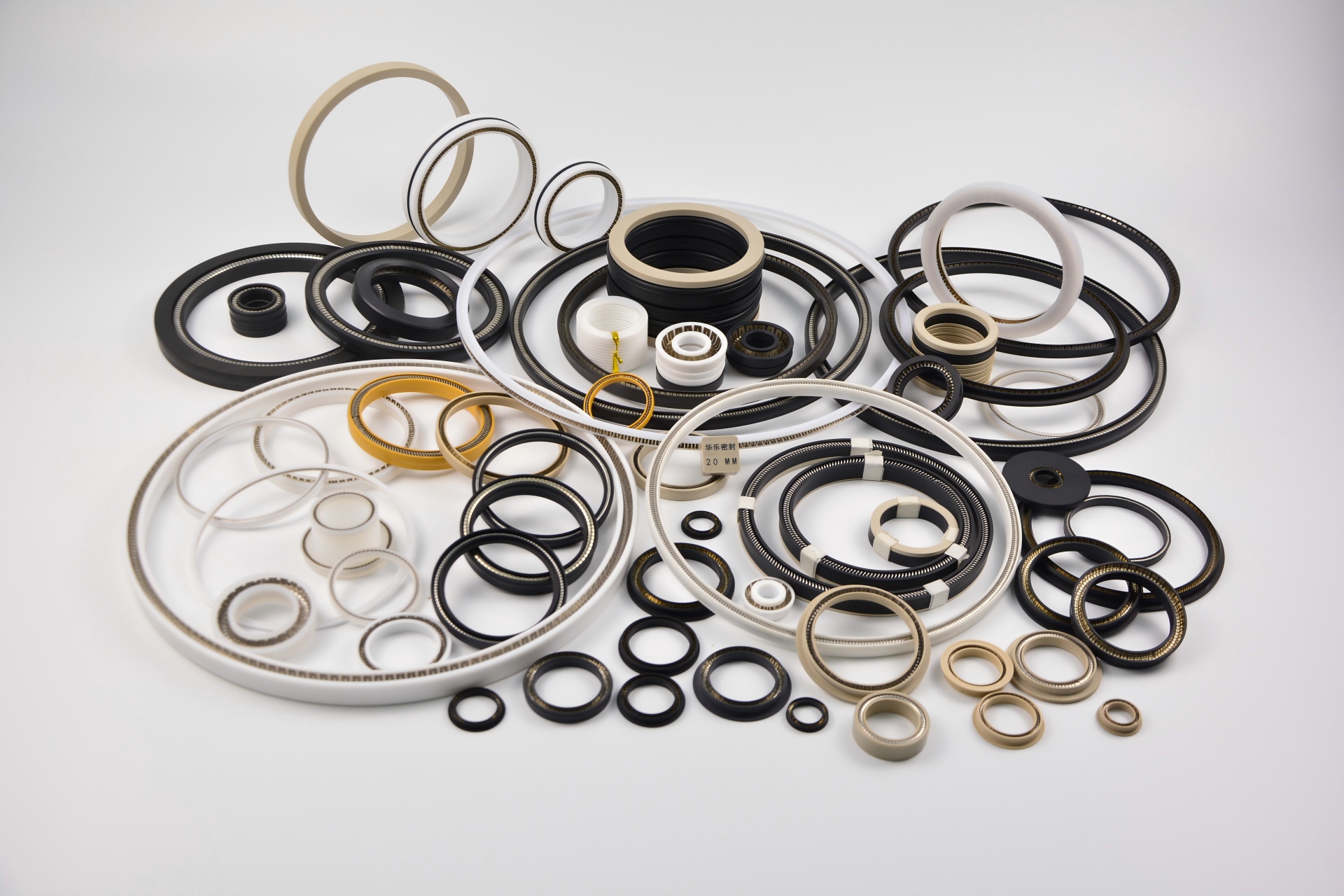
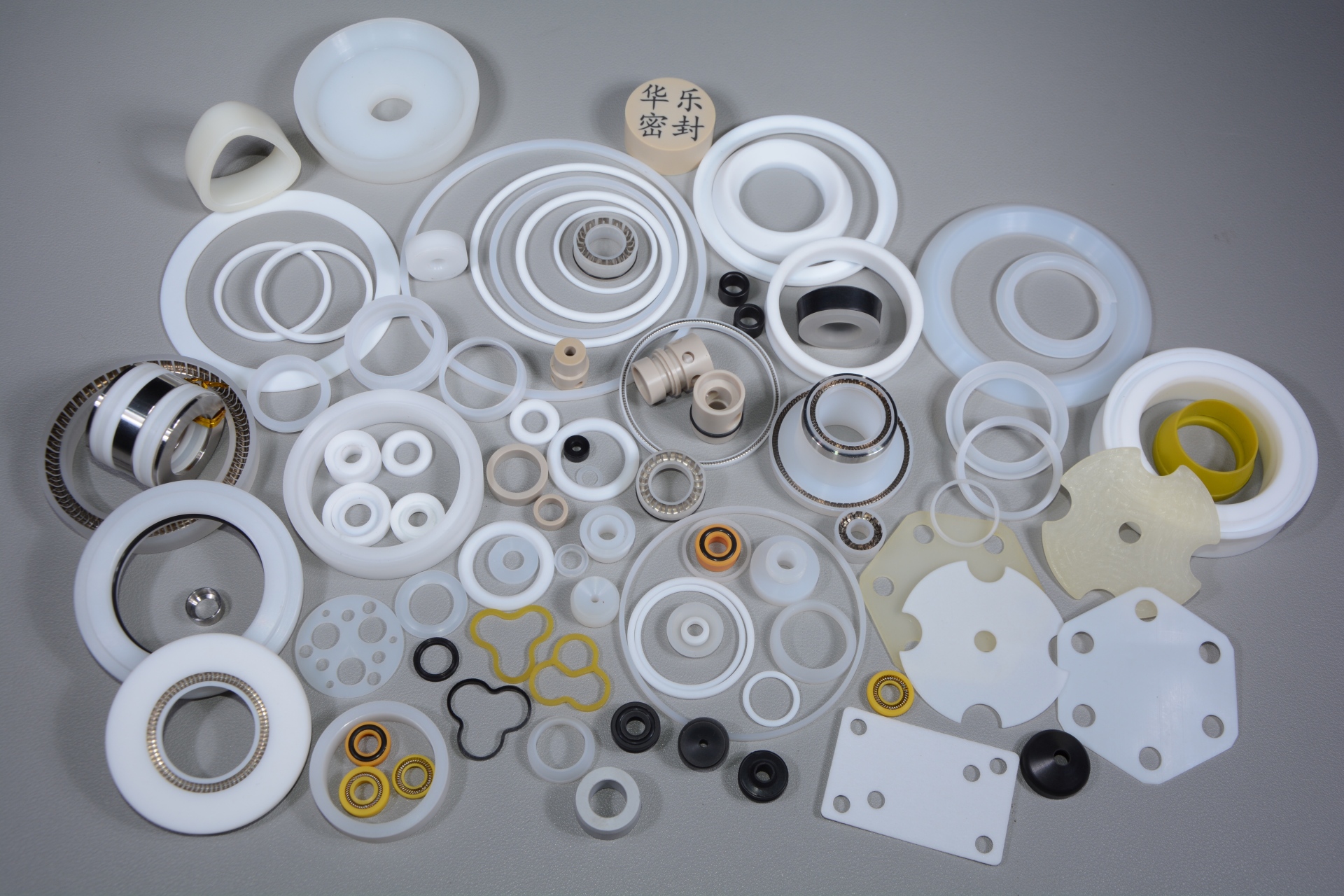
High Pressure Plunger Seals are core dynamic sealing elements for high-pressure plunger pumps, reciprocating pumps, homogenizers and waterjet equipment. Designed for high-frequency reciprocating plunger motion, they prevent high-pressure fluid leakage along the plunger rod, maintain system pressure stability, isolate media from power chambers, and ensure continuous, efficient and safe equipment operation under extreme conditions of ultra-high pressure, high-frequency friction, particulate-laden media and wide temperature range. Widely compatible with high-pressure plunger equipment in hydraulic, water treatment, oil & gas, pharmaceutical and precision manufacturing industries, they serve as critical consumables to solve high-pressure leakage, pressure drift, rapid wear, short service life and media contamination.
Operating under extreme conditions—0–300MPa ultra-high pressure, -30℃ to +200℃ wide temperature, high-frequency reciprocating friction, hard particle scouring and pressure pulsation impact—these seals demand exceptional high-pressure resistance, extrusion resistance, particle wear resistance, low friction, media compatibility, thermal aging resistance and dimensional stability. Manufactured from modified PTFE composite rings, stainless steel spring energization and aramid fabric reinforcement, they undergo high-temperature molding, precision turning, wear strengthening, self-lubricating coating and anti-extrusion backup ring composite processes. They deliver outstanding performance: ultra-high pressure resistance, long life with low friction, particle wear resistance, media swelling resistance, thermal aging resistance, dynamic self-compensation and extrusion deformation resistance. With precise dimensions and high coaxiality, they adapt to high-frequency plunger reciprocation, ensuring smooth start-stop operation without stiction or abnormal noise. Resisting wear, deformation and hardening during long-term operation, they maintain zero leakage, stable pressure and low friction power consumption.
Featuring broad media compatibility, they suit high-pressure water, cleaning fluids, hydraulic oil, emulsions, sand-laden sewage, organic solvents, acidic/alkaline fluids and high-purity pharmaceutical liquids, eliminating particle embedding wear, swelling failure, high-temperature cracking and plunger scoring. Covering most mainstream domestic and imported high-pressure plunger pumps, homogenizers and waterjet models with non-standard customization available, they support 24/7 high-load mass production, significantly enhancing equipment stability and safety while reducing leakage waste, downtime, frequent replacement and safety risks.
- Ultra-High Pressure Resistance, Zero Leakage: Spring-energized + anti-extrusion backup ring + multi-stage sealing structure adapts to pressures up to 300MPa; higher pressure strengthens seal lip compensation force, ensuring zero leakage and stable pressure under dynamic high pressure.
- Particle Wear Resistance, Extended Life: Modified PTFE + aramid fabric reinforcement + self-lubricating coating withstands hard particle/sand-laden media scouring; anti-creep and anti-tear, service life 3–5× longer than standard seals.
- Low Friction & Anti-Stiction, High Efficiency: Low-friction coating with high-elastic material ensures no dry friction, stiction or abnormal noise during reciprocation; low start-up resistance and power consumption prevent plunger scoring and pressure fluctuation.
- Media Swelling Resistance, Wide Compatibility: FKM/FFKM material resists acids, alkalis, solvents, oil and water; no swelling, hardening or residual adhesion after long-term soaking, compatible with all high-pressure fluids.
- Wide Temperature & Aging Resistance, Stable Performance: Adapts to -30℃ to +200℃; thermal aging and deformation resistant, maintaining stable elasticity and sealing integrity under high temperature/pressure.
- Precision Fit, Quality & Cost Efficiency: Accurate dimensions and high coaxiality fit mainstream high-pressure plunger equipment, reducing leakage waste, downtime and safety risks while lowering overall maintenance costs.
High Pressure Plunger Seals focus on ultra-high pressure, high-frequency reciprocation, particulate-laden and wide temperature sealing scenarios. They are widely used in high-end industrial sectors including waterjet cutting, industrial cleaning, oil & gas, hydraulic power, pharmaceutical homogenization, precision manufacturing and water treatment, serving as core components for safe and stable high-pressure plunger equipment operation.
- Waterjet Industry: Seals for waterjet cutting, high-pressure cleaning, pipeline dredging, ship derusting and concrete demolition equipment.
- Industrial Cleaning: High-pressure washers, ultra-high pressure cleaning pumps, industrial spraying and heat exchanger cleaning equipment dynamic seals.
- Oil & Gas: Oilfield water injection pumps, fracturing trucks, cementing trucks and sand-laden sewage transfer pump plunger seals.
- Hydraulic Power: High-pressure hydraulic stations, plunger pumps, construction machinery high-pressure cylinders and marine hydraulic system seals.
- Pharmaceutical Homogenization: Seals for high-pressure homogenizers, nano-emulsifiers and sterile fluid transfer pumps, compatible with high-purity pharmaceutical liquids.
- Precision Manufacturing: Seals for high-pressure testing machines, precision hydraulic equipment, high-pressure test systems and micro metering pumps.
- Water Treatment: Seals for high-pressure reverse osmosis, seawater desalination, ultrafiltration and industrial wastewater treatment high-pressure pumps.
- Ensure plunger rod surface is scratch/burr-free and seal grooves are clean before installation to prevent particle damage to the seal lip.
- Never operate dry; fully lubricate the seal and plunger rod before start-up to avoid seal burnout and plunger scoring from dry friction.
- Monitor media temperature and system pressure during high-pressure operation; avoid over-temperature/over-pressure conditions to prevent thermal aging and extrusion deformation.
- Regularly inspect seal wear and leakage; maintenance recommended every 500–800 hours (shorter for extreme conditions) to prevent sudden failure.
- Select particle-resistant materials for particulate-laden media; add filters if needed to extend seal life.
Comments are closed