



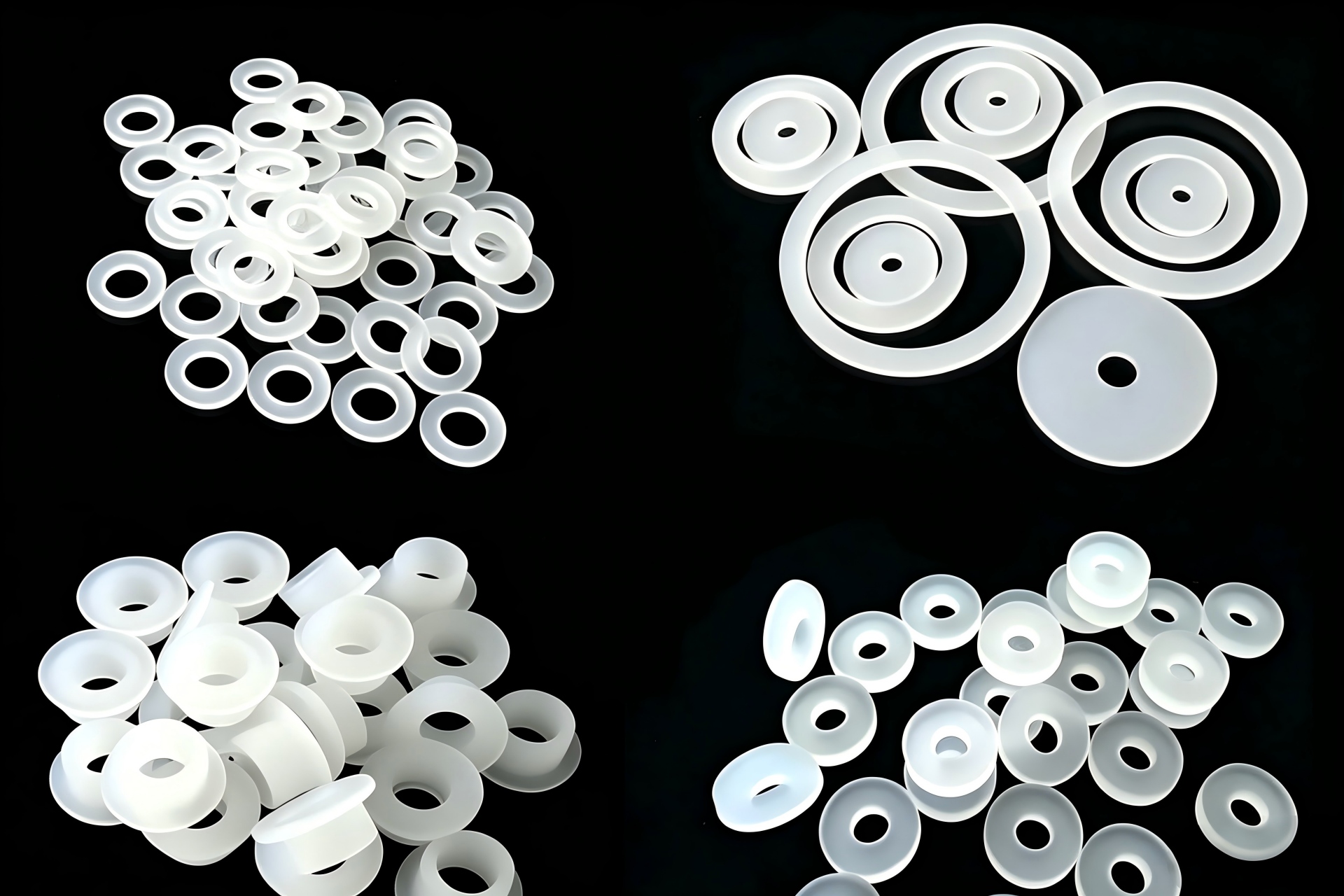
Polychlorotrifluoroethylene (PCTFE) is a thermoplastic fluoroplastic. It was first reported by the French company Kema in 1937. Later, during the Manhattan Project, the United States conducted extensive research on its preparation technology and product performance, and it was put into production by 3M in 1942 under the trademark Kel-F.
PCTFE is primarily produced by the free radical polymerization of chlorotrifluoroethylene monomers, featuring a unique chemical structure and excellent physical properties.
The molecular weight of PCTFE is typically between 100,000 and 200,000. The fluorine atoms in its molecular structure grant the polymer high chemical inertness and temperature resistance, while the presence of chlorine atoms provides good processing flowability, transparency, and hardness. PCTFE is a crystalline polymer with a crystallinity of 85%–95%, a melting temperature of approximately 212–217°C, a long-term service temperature range of -196°C to 125°C, and maintains good thermal stability even at 250°C.
PCTFE exhibits excellent chemical corrosion resistance, resisting attack by most active chemicals including strong acids, strong alkalis, and oxidizing agents. It also has good electrical insulation, weatherability, and gas barrier properties. Its water vapor permeability is the lowest among all transparent plastic films, and it is impermeable to all gases, making it an excellent barrier polymer.
As an important application form of polychlorotrifluoroethylene materials, PCTFE sealing parts play a vital role in multiple industries. The main application areas are as follows:
Chemical Industry
PCTFE sealing parts are widely used in the chemical industry, primarily for sealing equipment such as pipelines, valves, pumps, and storage tanks. Thanks to their excellent chemical corrosion resistance and high-temperature performance, PCTFE sealing parts can operate stably for extended periods in harsh environments like acidic and alkaline conditions, ensuring the safe and stable operation of chemical equipment.
Electronics Industry
In the electronics sector, PCTFE sealing parts are used for sealing electronic components, electrical assemblies, and semiconductor products. Their good electrical insulation and high-temperature resistance allow PCTFE sealing parts to maintain stable performance in environments with high voltage, high frequency, and strong electromagnetic interference, ensuring the normal operation of electronic devices.
Medical Field
PCTFE sealing parts are also widely used in medical devices and pharmaceutical packaging products. Their excellent biocompatibility and chemical resistance enable PCTFE sealing parts to maintain stable performance in medical environments, ensuring the safety and effectiveness of medical devices and drugs.
Aerospace Industry
In the aerospace field, PCTFE sealing parts are used in the sealing systems of aircraft and spacecraft. Their high stability and low-temperature resistance allow PCTFE sealing parts to maintain stable performance under extreme environmental conditions, ensuring the safe and stable operation of aircraft and spacecraft.
Other Industries
In addition, PCTFE sealing parts are used in industries such as food processing, nuclear industry, and automotive manufacturing. Their excellent wear resistance, weatherability, and gas barrier properties allow PCTFE sealing rings to play an important role in these sectors, ensuring the safe and stable operation of equipment and systems.
As an important application form of polychlorotrifluoroethylene materials, PCTFE sealing parts play an irreplaceable role in these industries, providing reliable support for the stable operation of various equipment and systems.
Comments are closed