


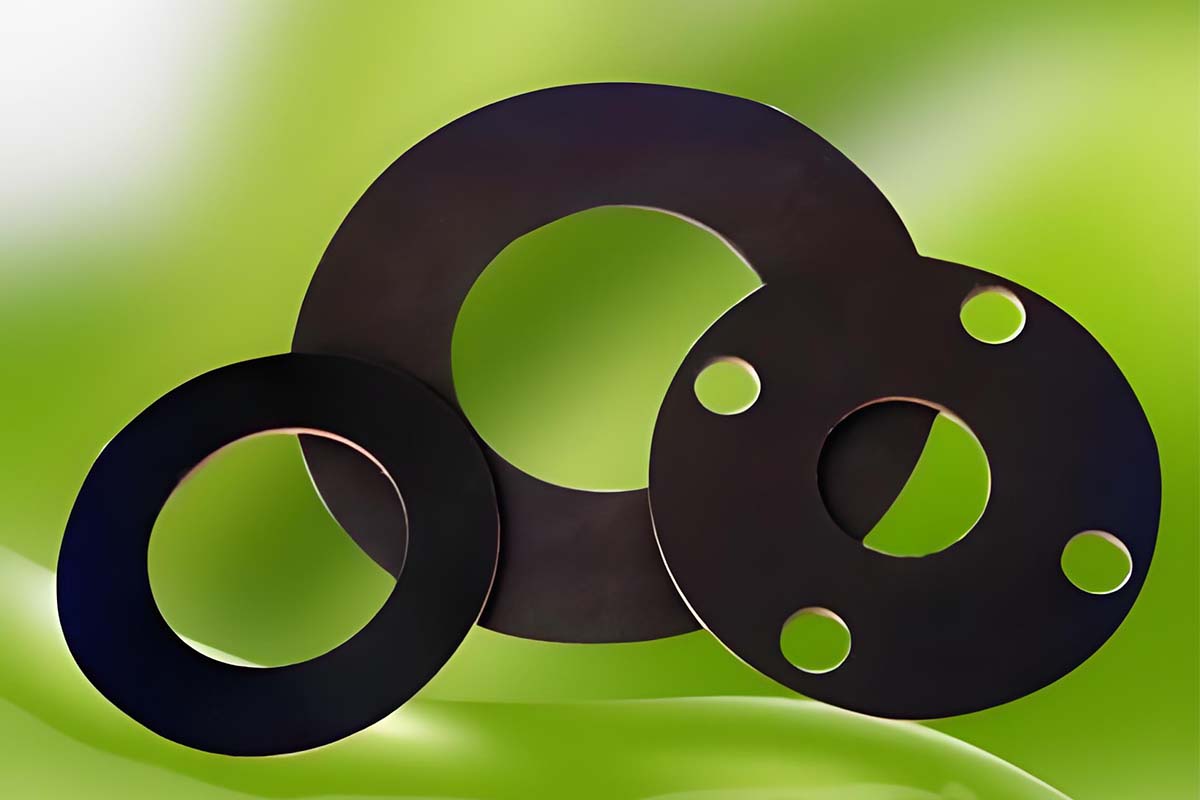
Chloroprene rubber (CR), commonly known as neoprene, is a synthetic rubber produced by the polymerisation of chloroprene monomers. It was the first general-purpose rubber to offer excellent oil resistance combined with flame-retardant properties, and it possesses comprehensive physical properties.
CR possesses moderate oil resistance, second only to nitrile rubber, and exhibits good resistance to mineral oils, fuels (particularly alcohol-based fuels) and lubricants. At the same time, it demonstrates good chemical stability against dilute acids, dilute alkalis, carbon dioxide and various refrigerants (such as ammonia and Freon), but is not resistant to aromatic oils, non-polar solvents and strongly oxidising media.
Neoprene is renowned for its exceptional weather resistance and resistance to ozone ageing. Its resistance to UV radiation and atmospheric ageing far exceeds that of natural rubber and styrene-butadiene rubber, second only to silicone rubber and ethylene-propylene rubber; consequently, it is widely used for seals in outdoor environments.
CR possesses self-extinguishing or flame-retardant properties, with an oxygen index as high as 26–30%. It self-extinguishes upon removal from the flame source and does not readily propagate flames. This characteristic makes it one of the preferred materials for sealing applications with specific fire safety requirements.
The operating temperature range for chloroprene rubber is -40°C to +120°C, with special formulations capable of withstanding temperatures up to +130°C for short periods. Its low-temperature performance is moderate, with a low-temperature brittleness point of approximately -35°C. CR possesses good mechanical strength, with tensile strength reaching around 25 MPa, whilst its tear strength and abrasion resistance are superior to those of most general-purpose rubbers.
Furthermore, CR exhibits good creep resistance, water resistance and resistance to microbial attack, offering excellent resistance to seawater, microorganisms and humid environments. At the same time, its electrical insulation properties are moderate; it is not suitable for high-frequency, high-voltage electrical sealing, but is suitable for general dust and water protection.
CR seals, i.e. sealing rings made from chloroprene rubber, play an irreplaceable role in air conditioning and refrigeration, outdoor equipment, marine applications, and environments with high fire safety requirements, owing to their balanced oil resistance, excellent weather resistance and flame-retardant properties.
Refrigeration and Air Conditioning Systems: In air conditioning pipe connections, cold store door seals, refrigerator compressor vibration dampers and valves for refrigerants (such as R12, R134a and ammonia), CR seals demonstrate excellent compatibility with a wide range of refrigerants and refrigeration oils. They are resistant to low temperatures and ozone ageing, ensuring the long-term reliable operation of refrigeration systems.
Outdoor and Electrical Equipment Sealing: In waterproof seals for outdoor distribution boxes, street lamp head gaskets, solar photovoltaic junction box seals and cable joint sleeves, CR material, with its excellent UV resistance, weather resistance and ozone resistance, protects internal components from ageing and cracking for decades. Its flame-retardant properties also enhance electrical safety.
Automotive manufacturing: In automotive fuel lines (in certain oil-resistant applications), air conditioning system seals, chassis waterproof and dustproof covers, door buffer seals and windscreen wiper sleeves, CR seals are used in engine compartment components with fire safety requirements and exposed body seals due to their comprehensive resistance to oil, weathering and vibration fatigue.
Marine and Offshore Engineering: In porthole seals, deck cable penetration seals, seawater piping flange gaskets, hatch waterproof seals and dust seals for hydraulic piping on offshore platforms, CR seals demonstrate outstanding resistance to seawater, salt spray, oil mist and microorganisms, with a service life far exceeding that of ordinary rubber in harsh marine environments.
Fire Safety and Safety-Critical Applications: In hydraulic support seals for mines, sealing strips for underground railway platform screen doors, sealing gaskets for tunnel cable trench covers, and seals for escape equipment on oil platforms, CR material is flame-retardant and self-extinguishing when removed from a flame. This effectively delays the spread of fire, buying valuable time for personnel evacuation and equipment protection.
General Industry and Construction: In pneumatic tool seals, industrial air duct connection gaskets, hydraulic jack dust seals, building waterproofing strips for doors and windows, and dust covers for bridge bearings, CR seals offer a balanced combination of oil resistance, weather resistance and wear resistance, making them a highly cost-effective, multi-purpose sealing material.
Furthermore, CR seals are widely used in firefighting equipment, transformer seals, agricultural machinery, underground pipe joints and sports equipment components, and are particularly suitable for applications requiring a combination of weather resistance, flame retardancy and moderate oil resistance.
In summary, due to their balanced oil resistance, excellent weather and ozone ageing resistance, good flame-retardant properties, and comprehensive mechanical strength, chloroprene rubber materials and their CR seals play a critical sealing role in refrigeration and air conditioning, outdoor electrical systems, automotive and marine applications, fire protection engineering, and marine environments, making them a reliable and versatile sealing material.
Comments are closed